Elderly person with stroke: integrated care from the acute phase to the return home

9 des.
marco-inzitari
Marco Inzitari

Stroke has a high incidence, a growing prevalence and is the pathology with the second highest impact in the world in terms of disability among adults. Despite important advances in acute stroke management, which have led to a progressive decrease in acute stroke deaths, in terms of residual disability, stroke continues to have an extremely high impact on survivors, their families, their caregivers and on society in general.

Evidence shows that the approach to patients throughout the process of care in stroke, from the acute phase to the rehabilitation phase, needs to be multidisciplinary since patients have multiple health care and social needs which require a strong coordination between the different levels of healthcare. However, the tendency is still to organise conferences and congresses focused on only one speciality or level of healthcare.

On the other hand, and in self-criticism, even though stroke is one of the main reasons for using intermediate or long-term healthcare services, this sector almost never takes part in the decision making process of stroke care organisation. Neither does it do much research in stroke and in general, tends to put little thought into improving knowledge in treatments or in innovating the organisation of services compared to, for example, other conditions such as thighbone fractures.

This is why the Parc Sanitari Pere Virgili organised a monothematic symposium on 27 October, two days before the World Stroke Day. It focused on the treatment and management of stroke in elderly people from a different perspective: we traced the trajectory from the “needle” of the thrombolysis in the acute phase, passing through rehabilitative care and “reablement” in the post-acute phase, to the transition back to home life, describing the care given to patients especially, but not forgetting the attention caregivers need.

jornada-ictus-pere-virgili

The presentations reflected and reinforced the need for a multidisciplinary approach in all phases of stroke. As an added value, in all cases the speakers not only combined recommendations derived from literature with their own practical healthcare experience but also provided data from their own research or innovation projects, in many cases with data published recently.

Among the speakers there was a varied representation from very different disciplines which included neurologists, geriatricians, physiotherapists, occupational therapists, speech therapists, social workers, a health economist and the representative of the stroke patients association who chaired a roundtable.

Some of the items that were highlighted most strongly during the symposium were:

  1. The large amount of increasingly more accurate data available on all phases of stroke management. In Catalonia, this data is being provided by the Results Centre, which encourages transparency and allows for benchmarking thereby facilitating a reduction in variability and the sharing of best practices.
  2. Despite improvements in the treatment of acute stroke patients using mechanical thrombectomy together with systemic thrombolysis, 40% of patients are left with a considerable disability as a consequence of stroke. This “glass half-full” should therefore encourage more to be done in terms of acute stroke management, and also in post-acute care which is still vital.
  3. In acute care, age should not be a discriminating factor. This is in line with the concept that chronological age does not correspond necessarily to biological age and that two elderly people of the same age can have a totally different “functional potential” (a concept which in practice in the field of geriatrics is understood as meaning more or less “frail”).
  4. Advances have not only been made in acute care but also in the field of primary and secondary preventive care. Accordingly, the development, the approval of and the use of NOACs (new oral anticoagulants) have been a determining factor since they offer an alternative for those patients where traditional anticoagulants are not a therapeutic option.
  5. The rehabilitation prognosis is multifactorial. A recent proposal stemming from a multi-centre Catalan study led by our hospital and published recently, is based on a simple algorithm which incorporates the social factor (presence of the caregiver) together with the severity of the stroke (using the NIHSS score), functional status (according to the Barthel index) and cognitive function (a result of the Rancho Los Amigos scale). This allows patients to be classified in three levels of rehabilitation complexity, but who might evolve differently, with different needs for intervention, both in the rehabilitation process and regarding their return home.
  6. Integrated interventions in geriatric rehabilitation can be home-based for certain patients as an alternative to a hospital admission. This model, deeply rooted in England and which has proven to be beneficial, is producing good results in our context in different pathologies including stroke. Innovative formulas such as “Comprehensive Home-based Hospitalisation” have, in our context, come about from the alliance between home-based geriatric care teams (doctor, nurse and social worker) and those of home-based rehabilitation (rehabilitation doctor, physiotherapist, occupational therapist and speech therapist).
  7. In terms of physiotherapy, treatments should be more standardised and their efficacy demonstrated. During the symposium, interesting evidence was presented on the control of the trunk and its importance throughout the rehabilitation process in stroke.
  8. Dysphagia is a very prevalent risk condition in patients who have suffered a stroke. Different proposals of scales for assessment at the bedside were shown which can be applied by nurses, reserving the speech therapist’s intervention for the most complex cases which require a more specialised assessment.
  9. In rehabilitation, the support from the ICT (“telerehabilitation” which patients can receive following the instructions and programme configuration of the physiotherapist) allows treatments to be extended in time and intensity along with face-to-face treatment.
  10. Working with caregivers is important. Apart from guiding them within the system, the availability of support groups for exchanging personal experiences, for a social worker, for example, could have an impact on the adaptation of the caregiver to the new situation. To this effect, an innovative experience was developed in our centre with a high degree of acceptance by patients and their families.
  11. Continuity in the recovery process is key and the integration of health and social services guarantees an added value. The pilot “Return Programme” in the city of Barcelona, the result of the alliance between the Catalan Health Service and the City Council of Barcelona was presented. It allows for the direct activation of social services, from acute care and long-term care hospitals so that patients can receive the necessary aid when they return home and thus avoid unnecessary and dangerous delays.

In summary, much progress has been made in the treatment of stroke, especially in the acute phase, but innovation is also being carried out in the successive phases and the symposium showcased different experiences which have been implemented in our context. Drawing conclusions from the symposium, the take home messages are that a comprehensive view of the entire process is key, as well as an integrated and coordinated approach between the different levels of healthcare and social services. On the other hand, more research needs to be carried out especially in the post-acute and chronic phases resulting from the disease and this poses a challenge because of the difficulty in designing and implementing complex interventions where designs such as standard clinical trials are not the solution.

Post written by Marco Inzitari (@marcoinzi) and Laura Mónica Pérez, Parc Sanitari Pere Virgili, Barcelona.

The “perfect” health system

20 oct.
Joan MV Pons
Joan MV Pons

Mark Britnell is an international expert in health systems having held several senior positions in the NHS and currently provides consulting services for several countries. With this wealth of experience, Britnell wrote a book in 2015 with the inspiring title of, In search of the perfect health care system (1). In it, Britnell examines the dilemmas facing governments, the global challenges such as demographic, epidemiological, technological and economic transitions, as well as the more specific cases facing each country.

A significant portion of the book, more than half, is dedicated to examining individual countries grouped by continent: the Asian region including Australia (with large countries from Japan, China and India, to small densely populated enclaves such as Singapore and Hong Kong) Africa and the Middle East (just three very different examples such as Qatar, Israel and South Africa), Europe (from Portugal to Russia via the Nordic countries, Germany, Italy, France and the English) and the Americas (from the north; Canada, USA and Mexico and the south, such as Brazil). Too bad that the section on the Iberian Peninsula only speaks of our western neighbours (the eastern side but a general walk through).

There is no questioning that Britnells’ knowledge has been acquired first hand, given his worldwide expertise in conferences and consultancy. As the author mentions, he is often asked which country has the best health care system? Since the WHO report, Health systems: Improving performance (2), published in 2000, several country rankings have been published according to the assessment of their health systems using a variety of methodologies and outcomes. The table below serves as an example.

pons-comparison-health-systems

Nowadays, rankings proliferate as can be seen in universities and research institutions/centres. The indicators may be different, but it seems that one may always end up finding the most favourable ranking for them. Catalan public universities are a good example, given that centre advertises their position – besides that of excellence in comparison to other universities which are not necessarily British –  in the ranking system which makes it stand out to a greater degree that other Catalan universities.

Britnell, getting back to our point, after so many rankings, lectures and consulting, make a proposal on what the best health system might be by taking the best areas from the different countries. If the world could have a perfect health system, it would have to possess the following characteristics:

–    Universal healthcare values (UK)
–    Primary health care (Israel)
–    Community services (Brazil)
–    Mental health and welfare (Australia)
–    Promoting health (Scandinavian countries)
–    Empowerment of patients and communities (certain African nations)
–    Research and development (USA)
–    Innovation and new ways of doing things (India)
–    IT and Communication technologies (Singapore)
–    The capacity of choice (France)
–    Funding (Switzerland)
–    Care for the elderly (Japan)

References

(1) Britnell M. In Search of the Perfect Health System. London (United Kingdom): Palgrave Macmillan Education; 2015.

(2) The World Health Report 2000. Health systems: improving performance. Geneva (Switzerland): World Health Organization (WHO); 2000.

(3) Where do you get the most for your health care dollar?. Bloomberg Visual Data; 2014.

(4) Davis K, Stremikis K, Squires D, Schoen C. 2014 Update. Mirror, mirror on the wall. How the performance of the U.S. Health Care System Compares Internationally. New York, NY (US): The Commonwealth Fund; 2014.

(5) Health outcomes and cost: A 166-country comparison. Intelligence Unit. The Economist; 2014.

Post written by Joan MV Pons.

Broadening perspectives in health service assessment

8 set.
Vicky Serra-Sutton
Vicky Serra-Sutton, sociologist PhD

What lies behind a significant volume of hospital readmissions? What makes a service present a good healthcare praxis? What obstacles are there when changing to a healthcare model such as in major out-patient surgery which encourages patients to go home on the same day as their operation? Do managers and nursing staff have the same opinion about what efficiency is in an operating theatre? What is the perception of professionals of the possible benefits of people-centred attention?

Do we all see a dragon?

Drac

Reality is complex and therefore approaches are needed which facilitate the interpretation and understanding of that reality. With qualitative research, places can be reached otherwise unattainable when using other methodological aproximations. When answering questions like those we asked ourselves previously, a truly qualitative approach is required. We need to make the approach using an adequate and credible technique to validate the process of all those involved and  to ensure precision in results as is done in quantitative research but not forgetting that we need to be critical and independent in the analysis made.

We will briefly outline the evolution of the qualitative approaches in the context of the assessment of health services. A reflection on the usefulness of qualitative techniques  in the assessment of health services or medical technologies is not a new one and you can find a series on this subject in the British Medical Journal of 1995 and in the Health Technology Assessment report of 1998.

bmj-1995-eng

Health assessment agencies have given great importance to questions about the scientific evidence available when talking about the efficiency and safety of treatments and biomedical interventions of a clinical nature. Randomized controlled trials and systematic reviews are considered to be the reference standards for causal atributions of the benefits of an intervention for the improvement in the health status of patients.

Society has evolved and the needs of the system adapt to this. We formulate new questions related to the preferences and expectations of users facing treatment and how different professionals contribute to providing better results in patient health care. One must bear in mind that when assessing the benefits and results of attention given,  many factors come into play.

In this context, the paradigm of evidence based medicine and the supposed superiority of quantitative approaches and of some study designs above others, have created obstacles in the application of qualitative research. In this sense, the letter to the editors of the British Medical Journal signed by more than 70 researchers of reference for giving their support to qualitative research is clear proof of this remaining obstacle.

bmj-2016-eng

Questioning the efficacy of a medical drug cannot be answered using a qualitative approach but we can broaden the scope of questions that we pose ourselves.

For example, we can consider asking ourselves questions, among others, about the preferences of patients, the perception of the benefits of a medical drug, the expectations or opinion of professionals that prescribe it or the possible reasons for a low adherence of the medical drug.

Another scenario could be that of a patient with osteoarthritis who has undergone a knee replacement (arthroplasty) and who is being attended by several professionals such as the primary care doctor, the traumatologist surgeon, the anaesthetist, the nurse, the physiotherapist and other professionals if the patient has other comorbidities. That patient has certain preferences and expectations which need to be understood and then give the health care to cover those needs, which can go beyond the mere surgical procedure.

With qualitative research we develop a discourse, texts, opinions and perceptions of people, communities, with images, perspectives, ideologies and complexities. We must guarantee rigour and that the photograph and interpretation of reality that we make remain valid and coherent for the research group and the populaton or group of people that we are assessing.

The application of qualitative techniques has been on the rise using interviews, semi-structured questionnaires, field notes, focus or discussion groups to gather the opinion of different groups of professionals and users.

From my point of view, there are three examples which can be of great use to know the approach and the process in carrying out an assessment of services with a qualitative approach:

  1. Opinions, experiences and perceptions of citizens regarding waiting lists
  2. Job satisfaction or productivity, a study exploring the opinions of different professional profiles regarding the efficiency of operating theatres
  3. What opinion do professionals have of the benefits of an integrated attention in the United Kingdom?

Avoiding the classic metrics means being able to measure in an alternative or complementary way by combining different approaches be they qualitative or quantitative. I find the introduction to qualitative research we find in René Brown’s TED talk the power of vulnerability. This qualitative researcher recommends we measure that which is apparently unmeasurable and go more in depth into the complex phenomenon of vulnerabilty.

We broaden perspectives by understanding the reality from within, by bearing in mind the multiple existing points of view to improve that which is disfunctional or by identifying better practices to spread them. We can measure what we want to measure. It will be necessary to adapt the approach to the context and audiences and to continue progressing to show with rigour and practice the usefulness of qualitative approaches.

We continue learning. This time, it has been at the Congrés Iberoamericà de Recerca Qualitativa en Salut (in Twitter #IICS2016) held in Barcelona, 5-7 September. The Agència de Qualitat i Avaluació Sanitàries de Catalunya (AQuAS) and the Agència de Salut Pública de Catalunya (ASPCAT) shared the stand to explain their experiences.

2016 Congreso Iberoamericano de Investigación Cualitativa en Salud
Santi Gómez Santos (AQuAS/ASPCAT), Dolors Rodríguez Arjona (ASPCAT), Mireia Espallargues (AQuAS), Vicky Serra-Sutton (AQuAS)

Post written by Vicky Serra-Sutton (@vserrasutton), sociologist PhD in AQuAS.

Involving patients in decisions about their care

14 jul.
Angela Coulter
Angela Coulter

The Catalan Health Department deserves many congratulations on the launch of the website Shared decisions to help patients make decisions about their care. Nowadays the internet makes it possible to find vast quantities of information about health and healthcare, but this can be confusing and some of it is misleading and unreliable. So it is especially important to ensure that people are given access to trustworthy information to help them make decisions about their health.

We all want healthcare to be responsive to our needs and wishes. We want to be listened to, to be given clear explanations and to have our values and preferences taken seriously. Many of us want to be able to influence any decisions that affect us, including treatment decisions.

The key questions that we want answers to are as follows:

  • What are my options?
  • What are the benefits and possible harms?
  • How likely are these benefits and harms?
  • How can you help me make a decision that’s right for me?

Shared decision making is central to a patient-centred approach. It involves clinicians and patients working together to select tests, treatments, management or support packages, based on clinical evidence and the patient’s informed preferences.  It requires the provision of evidence-based information about options, outcomes and uncertainties, together with decision support counselling and a systematic approach to recording and implementing patients’ preferences.

Shared decision making is recommended in many common situations – for people facing major treatment decisions where there is more than one feasible option, for decisions about screening tests and preventive strategies, for maternity care choices, for choosing care and support packages for long-term conditions, for advance care planning for mental health problems and for end-of-life care.

Provision of reliable, balanced evidence-based information has been shown to improve people’s knowledge and ability to participate in decisions about their care, improving the quality and appropriateness of clinical decision making. And as part of a collaborative approach to care planning for long-term conditions it can lead to improved health outcomes.

Information provision is only the first step. As well as providing facts and figures to help people consider their options, doctors, nurses, and other clinicians must engage patients in a process of deliberation to determine their preferred course of action. This demands good conversations where both parties communicate well and share information. Effective risk communication, preference elicitation and decision support are essential skills for clinicians. And then of course there must be a commitment from both clinician and patient to act on the mutually agreed decisions.

Implementing shared decision making is challenging. It is very different from the traditional approach in which clinicians view themselves as experts and sole decision makers and patients’ knowledge, expertise and preferences are unacknowledged or undervalued.

Patients used to be expected to play a passive role and follow doctors’ orders, but this old-fashioned view is beginning to give way to demands for a more collaborative approach. This is very good news! Patients have grown up and health systems must now adapt to meet their expectations, helping them to become knowledgeable, skilled and confident co-producers of health.
Shared decisions

Post written by Angela Coulter, PhD, (@acpatient), Informed Medical Decisions Foundation.

First commandment: do not make assumptions about the preferences of people who suffer from a disease

16 juny
Joan Escarrabill
Joan Escarrabill

One of the things that we humans do quite often is to assume a fact, a situation, or what someone else thinks. We assume that our circumstance is representative of the general circumstance, that a person, by the mere fact of having university studies, has the capacity of global understanding (including that of diseases, diagnostic procedures, or about treatments that this person has never heard anything about) or that all professionals, doctors or nursing staff, think in a standardized way.   This often leads us to generalize. We do this daily. Who hasn’t said a sentence like this at one time or another: “all men are…”, “the residents are not like they used to be…”, “the Poles are…”? Assumptions, on the other hand, are not very far away from prejudices. They say that once Winston Churchill (1874-1965) was asked what he thought about the French. “I don’t know”, he replied, “I don’t know all of them”.

It is not surprising then, that this trend to make assumptions also occurs at the moment of evaluating the needs or the values of people who are ill. In general, the functioning of health organizations revolves around professionals (adding criteria of efficiency, which are not always contrasted). In this context, we trust professional experience to identify and clarify the needs of the sick people too much. But, do we really know what truly interests a person when he/she is ill?

Satisfaction surveys are a first step to get closer to the perspective of those who use a service. Satisfaction is a very comprehensive construction that comes from the user of a service and it is highly related to the user’s expectations. In addition, quite often what gives the most satisfaction is not necessarily related to the key elements of the service received or with the actual quality of the service received. The communication skills of the professional who offers a service may be related to a high degree of satisfaction, without having a direct relationship with the results obtained. Friendly incompetent people are dangerous precisely because the patina of their ways of being can conceal the consequences.

If we only use the satisfaction surveys to assess the perspective of the person who uses the service, it is possible we have little capacity for discrimination. In practice, it is still odd that in the area of health in the satisfaction surveys the same problems are consistently identified, but no action is ever taken. The key element is to be sure of the relevance of the feedback of the people who come in contact with health services.

One of the barriers in appreciating the value of the patients’ feedback is the professionals’ skepticism of just how knowledgeable the patients are about the organization as well as the technical aspects. Well now, what we must not confuse is that it is one thing to “not know what you want” and another, which is very different, “to know perfectly what you don’t like”.

Sick people (and people who care for them) know perfectly well “what they do not like”. These people identify the touch points, or points of contact, which can generate unpleasant, problematic or critical situations (in this case they would be “pain points”, or “trigger points “) perfectly. The best way to identify these situations is to ask explicit questions and to not make assumptions.

There is not one unique methodology to collect the perspective of those who suffer from diseases. You can use quantitative methods (surveys of all kinds: face-to-face, online, by telephone) or qualitative methods (interviews, focus groups and/or analysis of complaints and suggestions).

Being interested in the feedback about the care offered is very good, but it is not enough. Angela Coulter affirms that it is unethical to collect data on the experience of the patient and then later ignore this information. That’s why, more and more every day, talking about the patient’s evaluation of the experience has a triple dimension: a key element in the evaluation of quality, a very powerful leverage and a strategy to improve the empowerment of the patient.

Doyle et al expounds that the patient’s experience, the effectiveness and clinical safety are closely linked and suggests that we must consider the patient’s experience as one of the pillars of the quality of health care.

The sick person’s perspective is very important for identifying opportunities for improvement in the provision of the service. And the step into action must be done involving everyone who plays a role in the care process. The concept of “co-design” in the framework of health care refers to cooperation between professionals and people assisted in the design of the transformations of the service, from the beginning of any improvement process and in all directions. The “co-design” represents a radical reconceptualization of the role of patients in the process of innovation in the provision of services.

Lastly, the evaluation of the patient’s experience cannot be separated from the information or from the therapeutic education that, in the end, should contribute decisively to the activation of sick people caring for themselves, through a deliberative process. This activation to address the disease within a framework of shared decision making improves clinical outcomes and has an impact on the cost.

The video about empathy from the Cleveland Clinic is an example that can be used to avoid “assumptions”: Empathy: The Human Connection to Patient Care. The solution is very simple. Instead of making assumptions one must observe and ask questions.

Post written by Joan Escarrabill, (@jescarrabill), director del Programa de Malalties Cròniques de l’Hospital Clínic de Barcelona.

Aline Noizet: “Digital tools transform the patient into the CEO of his own health”

5 maig

Health 2.0 Europe 2016From 10 to 12 May, Barcelona becomes the European capital of digital health innovation, thanks to the Health 2.0 Europe congress. The seventh edition of this event for experts from the healthcare sector gathers more than 120 speakers and around 600 professionals from around the world.

The Agency for Health Quality and Assessment of Catalonia (AQuAS) and the Observatory of Innovation in Healthcare Management (OIGS) will be present in the free panel Digital health tools transforming the nurses’ daily mission, where we can see live demonstrations of technological solutions, developed by and for nurses.

The coordinator of the convention and consultant in digital health Aline Noizet (@anoizet) gives more details in this interview and explains how the European healthcare system is being redefined through these digital tools.

AlineNoizet
Aline Noizet, consultant in digital health and organiser of Health 2.0 Europe 2016

What do we understand by digital health of health 2.0?

The group of all new technologies focused on the patient that can be interconnected and that provide data that facilitate decision-making is known as digital health or health 2.0. They are tools developed for start-ups that encompass items from applications for mobile phones and wearable devides to virtual platforms. They always appear in response to a very specific need and contribute to improving the work of medical professionals and the experience of users.

If experts claim these new technological solutions are redefining the healthcare ecosystem, in what does this transformation consist?

The current ecosystem is vaster and encompasses more agents, directly or indirectly involved in the healthcare management, such as the small technological companies, pharmaceutical industry and insurance companies. The main novelty, however, lies in the fact that it puts the patient in the centre of the healthcare system.

In this system, where everything turns around the patient, how can digital tools improve his experience?

The new solutions facilitate communication between patients and healthcare professionals. Currently, there are platforms and virtual spaces where you can find quality information and clear doubts, almost in real-time. Thanks to the new technologies, the patient can be more involved when it comes to making decisions and can use telematics to explain how he feels and how his treatment progresses. The digital tools grant him more autonomy and convert him into the CEO of his own health.

And the healthcare professionals, how do they benefit from the use of this technology?

There are many benefits to the use of digital tools. They help the medical team to make faster and more accurate diagnoses, and offer a wider view on the users’ health state. Furthermore, they allow cost reduction through patient monitoring at home and they could improve the quality of care with the use of augmented reality glasses. Moreover, new technologies facilitate communication between health professionals from anywhere in the world, who can share information or get a second opinion immediately.

In the panel, with the participation of the Observatory of Innovation and moderated by the Portuguese nurse Tiago Vieira, member of the Advisory Council of the European Forum for Primary Care (EFPC), demos of the most innovating digital health tools will be presented. Whom is this session addressed to?

The session will be most inspiring for nurses, since they are in direct contact with both doctors and patients, and they know from firsthand the needs of both groups. The new technologies are transforming their role and can offer them many advantages with respect to patient care. Entrepreneurs will show them the operation of their solutions and professionals from different European countries will explain the benefits of implementing digitalization in their Center. The session may also be of interest to doctors, patients, entrepreneurs, investors, pharmaceutical laboratories and insurance companies. Start-ups can find inspiration and ideas for new solutions for medical personnel, while investors will have the opportunity to learn about the most innovative projects in digital health. If you’re a healthcare professional, you will discover how these tools can improve your performance in your daily tasks, and if you’re a patient or normal citizen, you can participate by giving your opinion as a user or future user of these new applications.

In order to participate in this free session about health digital tools, you only need to register. We would be delighted if you could join us!

Interview prepared by Neus Solé Peñalver (@neussolep).

Ioannidis and the industry: a persistent distortion

7 abr.

John PA IoannidisJoanMVPons is a scientist and professor originally from Greece, currently working at Stanford (Meta-research Innovation Center – METRICS) who is, undoubtedly, among the most prolific authors of medical scientific literature.

Some of his papers, alone or in collaboration, have had a great impact. Who does not remember the one entitled “Why most published research findings are false?”. Nowhere in his large output will you find trivialities, and he recently came to Barcelona to speak about defective research and even about the waste of resources this implies. But we will leave the latter topic for another occasion.

The paper by this author I want to comment on is the one written in collaboration entitled “Undue industry influences that distort healthcare research, strategy, expenditure and practice: a review” published in 2013 in European Journal of Clinical Investigation.

One might think that all has been already said about the (bad) influence of drug and health care products industries. There is even a literary body or genre in biomedical scientific publications exclusively devoted to this topic. And books abound, too. All that could be said has been said. Well, actually it hasn’t. Undue influence, such as biases, is far more subtle than we think. It is often hard to tell how, similarly to interest conflicts in biomedical research or in prescription practices, the one who does it refuses any influence, since science could not admit it, as its own deontology doesn’t. Fools!

What is interesting about this paper is its review nature, not only for the number of papers gathered, but because it provides a more integrated (re)view of the different elements upon which industry acts, or is allowed to act. It should be noted that the interests and profit of the drug and health care products industry are quite legitimate, but it clearly shows some specifics that put it aside from other manufacturing industries, and not just because its important investment in R+D+i. It is believed to be one of the most profitable industries, possibly due to its large margins, but also because human diseases and ailments are here to stay, even though their end –which both the poor and the rich want to delay– is ultimately inescapable.

Ever since I learned it, I am very fond of a quotation by George W Merck (1894-1957) who for 25 years chaired the drug company that bears his family’s name (1925-1950). As this visionary man said: “We try to remember that medicine is for the patient. We try never to forget that medicine is for the people. It is not for the profits. The profits follow, and if we have remembered that, they have never failed to appear. The better we have remembered it, the larger they have been.“ I wonder what he would think of it now.

Coming back to Ioannidis and his paper, there he follows the outline of how this (bad) influence acts, and the main elements –which changed with time– upon which it exerts its distorting effect, although not as an exclusive factor. Governments, as with other industries also regulated by them, play an essential role.

Evidence based medicine - Clinical practice guidelines - Medical practice

Post written by Joan MV Pons.

Mobile Is Everything

3 març

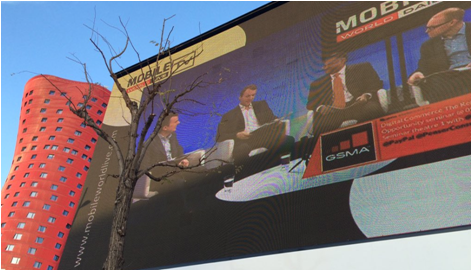
Barcelona Mobile FiraBarcelona is Mobile. The great mobile world exhibition has not gone unnoticed to the city. With a record 100,000 visitors, the Mobile World Congress took place last week in Barcelona, under the theme “Mobile is everything”. Considering the innovations presented in it, it appears that healthcare is also becoming mobile (mhealth).

The massive mobile technology world fair gathered mobile operators, technology manufacturers, providers, distributors, and content providers who presented the industry’s latest innovations. According to Genís Roca (@genisroca), the contents  of this year’s Mobile World Congress has turned around these 6 topics:

1.    Graphene
2.    Virtual reality
3.    eSim
4.    Connected Car
5.    5G
6.    Internet of Things – IoT

Three of these large trends have very clear applications in the field of healthcare.

The first topic is graphene. The Catalan Institute of Nanoscience and Nanotechnology (ICN2), in collaboration with research centres from Barcelona and the Autonomous University of Barcelona, has presented a group of graphene electronic sensors that can be used to detect the electrical activity of the brain. The early detection of an epileptic crisis could be possible in patients suffering from epilepsy and implanted with these sensors. The implanted device on the cortex would alert the patient by, for instance, sending an alarm signal to an external mobile device.

Virtual reality has been the main character in the congress, or at least, the one that caused more anticipation. This was best seen in the long queues to visit Samsung’s roller coaster or SK Telecom’s submarine.

Gear VR Theater with 4DVirtual reality applications are starting to appear in the field of mental healthcare. Thus, startups such as MindWave (with their project HealthVR) or Psious offer treatments to tackle phobias, fears or generalised anxiety by exposing patients to virtual reality images, in some cases as part of a cognitive behavioural therapy.

Finally, the Internet of Things is gaining ground: Internet connected objects are creating new business models and involve more and more sectors. For instance, the monitorisation of vital signs (weight, glucose, blood pressure, physical training, etc.) is increasingly more common with connected wearables (smartwatches, bracelets, etc.) that allow to collect real time data. Connected devices also allow the control and follow-up of chronic diseases, such as diabetes with Insulclok.

The mobile industry will undoubtedly continue to evolve, and its applications in the field of healthcare will grow even more. I was lucky to attend the course Mobile Thinking Days-Digital Health (organised by Mobile World Capital Barcelona, IESE Business School and RocaSalvatella), and one of the key messages that appealed to me is that any product subjected to digital pressure will end up transformed into a service (Genís Roca dixit). Therefore, a big challenge of mhealth will be to offer disruptive, quality services that meet the patients’ needs.

Elena TorrenteEntry written by Elena Torrente (@etorrente), digital health coordinator in DKV Services.

Promoting patients’ proactive attitude in the care of their illness, can this generate more inequalities?

23 jul.

Joan EscarrabillJoan Escarrabill, Director Chronic Care Program at Hospital Clínic Barcelona

As participants in a mature society, we’re responsible for our actions and it’s clear that these actions have consequences. Take healthy habits as part of this responsible attitude. From the health point of view, this attitude of individual responsibility leads us to value this role of “active patient” to the maximum. In addition, we know that active patients have better health outcomes.

Now this storyline has a weakness that wouldn’t exist if we all had the same cards to play with. Unfortunately there are social inequalities. In 2014, in an article in the NEJM, Sayer and Lee explain very well this relationship between social conditions and health. Not all citizens (patients) start the race from the same point and in the same conditions. Social inequalities cause that not even “starting up early, very early…” can offset these imbalances. Naturally, from the point of view of the health care organization we can not attempt to resolve social inequalities. However, we can hope to mitigate them. From my point of view, to mitigate social inequalities we’d have to act in three directions simultaneously: Continue reading