
Is assessment still the pending issue of health apps?

22 març
Marta Millaret

An article in JAMA has recently been published presenting the first smart watch approved by the FDA to predict epileptic seizures. It is called Embrace, a connected device which detects seizures linked to movement and electric fluctuations in the skin of a person and sends an alert so they can receive medical attention.

Last February, the Mobile World Congress was held in Barcelona. Among the different activities to be highlighted which are organised around this congress there is one called 4 Years From Now (#4YFN18), the part of the Mobile which connects companies, investors and institutions with each other to encourage collaboration in developing different ideas, business models and technological solutions.

The Digital Health & Wellness Summit 2018, organised by 4YFN Connecting Startups, the Mobile World Capital Barcelona and the Mobile World Congress with the collaboration of ECHAlliance, the European Connected Health Alliance, is the meeting point of technological and health issues. This year, among others, Neil Gomes, Maria Salido and Elena Torrente participated.

Neil Gomes from the Thomas Jefferson University of the USA pointed out that one of the challenges in mHealth is facilitating feedback between patients and health professionals.

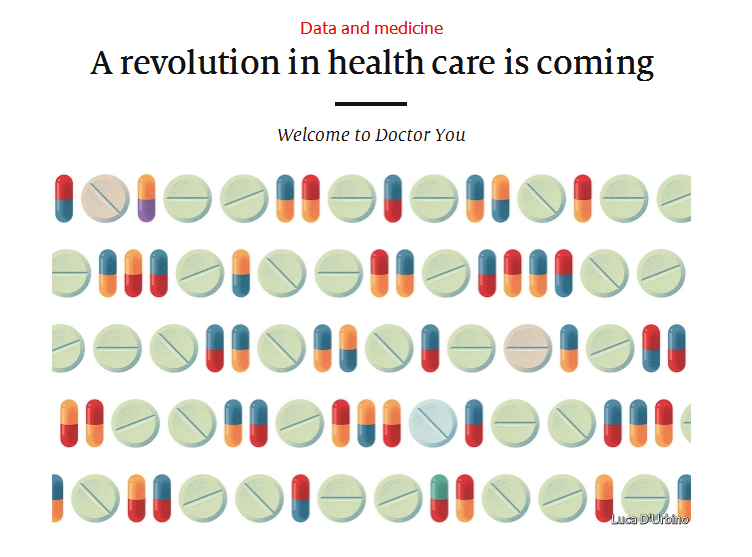
Maria Salido, co-founder and CEO of the health app, SocialDiabetes, raised key issues for success with health apps: regulation + industry + users. And in particular, she highlighted the importance of the final users. An article published in The Economist was much commented on here with a provocative title:
Elena Torrente, Digital Health Coordinator at DKV, commented on Digital Doctor, a health app that incorporates a detector of symptoms and a tool to request a doctor’s appointment. She pointed out that there were more women than men in the user profile of the app.

In general, there was consensus on the fact that prior to developing an app, an analysis to identify needs must be done. That is, the first step should be to detect the needs of a user and then, based on the mapping of these needs, the moment would come to develop technological solutions.

The content of all these presentations is available and you can also read a compilation of the main ideas that were highlighted here and here.

Despite it not being the main subject of their presentations, in the follow up debate the need and convenience of assessment was brought up. At present, there are already 320,000 health apps on the market. But,… How are they assessed? Who does this? With what criteria? Can we already talk about the safe prescription of health apps?

We close the circle once again with the conceptual framework of mHealth Assessment published in JMIR mHealth and uHealth with which the Agency for Health Quality and Assessment of Catalonia (AQuAS) provides the culture of assessment to the everyday reality in which we find ourselves (in 2016 it was published in the first quartile, in the categories “Health Care Sciences & Services” and “Medical Informatics”, respectively, in the Journal Citation Reports). There are an increasing number of health apps and the debate concerning their assessment remains open.

Post written by Marta Millaret (@MartaMillaret).

The “perfect” health system

20 oct.
Joan MV Pons
Joan MV Pons

Mark Britnell is an international expert in health systems having held several senior positions in the NHS and currently provides consulting services for several countries. With this wealth of experience, Britnell wrote a book in 2015 with the inspiring title of, In search of the perfect health care system (1). In it, Britnell examines the dilemmas facing governments, the global challenges such as demographic, epidemiological, technological and economic transitions, as well as the more specific cases facing each country.

A significant portion of the book, more than half, is dedicated to examining individual countries grouped by continent: the Asian region including Australia (with large countries from Japan, China and India, to small densely populated enclaves such as Singapore and Hong Kong) Africa and the Middle East (just three very different examples such as Qatar, Israel and South Africa), Europe (from Portugal to Russia via the Nordic countries, Germany, Italy, France and the English) and the Americas (from the north; Canada, USA and Mexico and the south, such as Brazil). Too bad that the section on the Iberian Peninsula only speaks of our western neighbours (the eastern side but a general walk through).

There is no questioning that Britnells’ knowledge has been acquired first hand, given his worldwide expertise in conferences and consultancy. As the author mentions, he is often asked which country has the best health care system? Since the WHO report, Health systems: Improving performance (2), published in 2000, several country rankings have been published according to the assessment of their health systems using a variety of methodologies and outcomes. The table below serves as an example.

pons-comparison-health-systems

Nowadays, rankings proliferate as can be seen in universities and research institutions/centres. The indicators may be different, but it seems that one may always end up finding the most favourable ranking for them. Catalan public universities are a good example, given that centre advertises their position – besides that of excellence in comparison to other universities which are not necessarily British –  in the ranking system which makes it stand out to a greater degree that other Catalan universities.

Britnell, getting back to our point, after so many rankings, lectures and consulting, make a proposal on what the best health system might be by taking the best areas from the different countries. If the world could have a perfect health system, it would have to possess the following characteristics:

–    Universal healthcare values (UK)
–    Primary health care (Israel)
–    Community services (Brazil)
–    Mental health and welfare (Australia)
–    Promoting health (Scandinavian countries)
–    Empowerment of patients and communities (certain African nations)
–    Research and development (USA)
–    Innovation and new ways of doing things (India)
–    IT and Communication technologies (Singapore)
–    The capacity of choice (France)
–    Funding (Switzerland)
–    Care for the elderly (Japan)

References

(1) Britnell M. In Search of the Perfect Health System. London (United Kingdom): Palgrave Macmillan Education; 2015.

(2) The World Health Report 2000. Health systems: improving performance. Geneva (Switzerland): World Health Organization (WHO); 2000.

(3) Where do you get the most for your health care dollar?. Bloomberg Visual Data; 2014.

(4) Davis K, Stremikis K, Squires D, Schoen C. 2014 Update. Mirror, mirror on the wall. How the performance of the U.S. Health Care System Compares Internationally. New York, NY (US): The Commonwealth Fund; 2014.

(5) Health outcomes and cost: A 166-country comparison. Intelligence Unit. The Economist; 2014.

Post written by Joan MV Pons.

El sistema sanitario “perfecto”

20 oct.
JoanMVPons
Joan MV Pons

Mark Britnell es un experto internacional en sistemas sanitarios que ha tenido varios cargos de responsabilidad en el NHS y que actualmente realiza tareas de consultoría para distintos países. Con toda esta experiencia, en 2015 ha escrito un libro de título tan inspirador como En la búsqueda del sistema sanitario perfecto (1). En él examina los dilemas a los que se enfrentan los gobiernos, esos desafíos globales como las transiciones demográficas, epidemiológicas, tecnológicas y económicas, y los que son más específicos de cada país.

Una parte importante del libro, más de la mitad, se dedica a examinar países concretos agrupados por continentes: la zona asiática incluida Australia (con grandes países desde Japón, China y la India a pequeños enclaves bastante poblados como Singapur y Hong Kong), África y Oriente Medio (solo tres ejemplos bastante distintos como Qatar, Israel y Sudáfrica), Europa (desde Rusia hasta Portugal pasando por los nórdicos, los alemanes, italianos, franceses e ingleses) y las Américas (del norte como Canadá, EE. UU. y México y del sur como Brasil). Es una lástima, sin embargo, que de la península ibérica solamente habla de los vecinos occidentales (los orientales, pero dando toda la vuelta).

Su conocimiento, sin duda, es de primera mano, dadas las conferencias y consultorías que ha hecho por todo el mundo. A menudo, como dice, le preguntan: ¿qué país tiene el mejor sistema sanitario? Desde el informe de la OMS del año 2000, Health systems: improving performance (2), se han publicado, con metodologías y resultados diferentes, distintos rankings de países según la valoración que se da a su sistema sanitario. La siguiente tabla lo ejemplifica.

pons-comparativa-sistemas-sanitarios

Hoy en día proliferan los rankings, y así puede verse por las universidades y centros o instituciones de investigación. Los indicadores pueden ser diversos, pero parece ser que siempre es posible encontrar el ranking que más le favorece a uno. Las universidades públicas catalanas son un buen ejemplo de ello, puesto que cada una hace publicidad de su posición -que nunca es de excelencia en comparación con otras universidades no necesariamente anglosajonas-  en el ranking que más las destaca respecto al resto de universidades del país.

Britnell, volviendo a lo nuestro, después de tantos rankings, conferencias y asesorías, también hace su propuesta de cuál podría ser el mejor sistema sanitario tomando de los distintos países lo mejor que tienen. Si el mundo pudiera tener un sistema sanitario perfecto, debería tener las siguientes características:

–    Los valores y la atención sanitaria universal (Reino Unido)
–    La atención primaria (Israel)
–    Los servicios comunitarios (Brasil)
–    La salud mental y del bienestar (Australia)
–    La promoción de la salud (países escandinavos)
–    El empoderamiento de pacientes y comunidades  (algunos países africanos)
–    La investigación y el desarrollo (de los Estados Unidos)
–    La innovación y formas nuevas de trabajar (la India)
–    Las tecnologías de la información y la comunicación (Singapur)
–    La capacidad de elección (Francia)
–    El financiamiento (Suiza)
–    La atención a la ancianidad (Japón)

Referencias

(1) Britnell M. In Search of the Perfect Health System. London (United Kingdom): Palgrave Macmillan Education; 2015.

(2) The World Health Report 2000. Health systems: improving performance. Geneva (Switzerland): World Health Organization (WHO); 2000.

(3) Where do you get the most for your health care dollar?. Bloomberg Visual Data; 2014.

(4) Davis K, Stremikis K, Squires D, Schoen C. 2014 Update. Mirror, mirror on the wall. How the performance of the U.S. Health Care System Compares Internationally. New York, NY (US): The Commonwealth Fund; 2014.

(5) Health outcomes and cost: A 166-country comparison. Intelligence Unit. The Economist; 2014.

Entrada elaborada por Joan MV Pons.


El sistema sanitari “perfecte”

20 oct.
JoanMVPons
Joan MV Pons

Mark Britnell és un expert internacional en sistemes sanitaris que ha tingut diversos càrrecs de responsabilitat a l’NHS i que actualment porta a terme tasques de consultoria per diversos països. Amb tota aquesta experiència ha escrit el 2015 un llibre que porta un títol tan inspirador com: A la cerca del sistema sanitari perfecte (1). En ell examina els dilemes amb què s’enfronten els governs, aquells desafiaments globals com les transicions demogràfiques, epidemiològiques, tecnològiques i econòmiques, i els més específics de cada país.

Una part important del llibre, més de la meitat, es dedica a examinar països concrets agrupats per continents: la zona asiàtica inclosa Austràlia (amb grans països des del Japó, Xina i l’Índia, a petits enclavaments ben poblats com Singapur i Hong Kong), l’Àfrica i l’Orient Mitjà (sols tres exemples ben diferents com Qatar, Israel i Sud-àfrica), Europa (des de Rússia fins a Portugal passant pels nòrdics, els alemanys, italians, francesos i anglesos) i les Amèriques (del nord com Canadà, EEUU i Mèxic, i del sud com Brasil). Llàstima que de la península Ibèrica sols parla dels veïns occidentals (els orientals, però donant tot el tomb).

La coneixença, no hi ha dubte, és de primera mà, doncs de conferències i consultories n’ha fet per tot el món. Sovint, com diu, li pregunten: quin país té el millor sistema sanitari? Des del report de l’Organització Mundial de la Salut (OMS) de l’any 2000, Health systems: improving performance (2), s’han publicat, amb metodologies i resultats diferents, uns quants rànquings de països segons la valoració que es dona al seu sistema sanitari. La taula següent ho exemplifica.

pons-comparativa-sistemes-sanitaris

Avui en dia proliferen els rànquings i així es pot veure per les universitats i centres/institucions de recerca. Els indicadors poden ser diversos però semblaria que hom pot acabar sempre trobant el rànquing que més l’afavoreix. Les universitats públiques catalanes en són un bon exemple, doncs cadascuna va publicitat de la seva posició -mai d’excel·lència en comparació amb altres universitats no necessàriament anglosaxones- en aquell rànquing que més la destaca sobre les altres universitats d’aquí.

Britnell, tornant al nostre tema d’avui, després de tants rànquings, conferències i assessories, no s’està de fer una proposta de quin podria ser el millor sistema sanitari prenent dels diferents països allò que tenen de més bo. Si el món pogués tenir un sistema sanitari perfecte, hauria de tenir les característiques següents:

–    El valors i l’atenció sanitària universal (Regne Unit)
–    L’atenció primària (Israel)
–    Els serveis comunitaris (Brasil)
–    La salut mental i del benestar (Austràlia)
–    La promoció de la salut (països escandinaus)
–    L’apoderament de pacients i comunitats (alguns països africans)
–    La recerca i desenvolupament (dels Estats Units)
–    La innovació i maneres noves de fer (Índia)
–    Les tecnologies de la informació i comunicació (Singapur)
–    La capacitat d’elecció (França)
–    El finançament (Suïssa)
–    L’atenció a l’ancianitat (Japó)

Referències

(1) Britnell M. In Search of the Perfect Health System. London (United Kingdom): Palgrave Macmillan Education; 2015.

(2) The World Health Report 2000. Health systems: improving performance. Geneva (Switzerland): World Health Organization (WHO); 2000.

(3) Where do you get the most for your health care dollar?. Bloomberg Visual Data; 2014.

(4) Davis K, Stremikis K, Squires D, Schoen C. 2014 Update. Mirror, mirror on the wall. How the performance of the U.S. Health Care System Compares Internationally. New York, NY (US): The Commonwealth Fund; 2014.

(5) Health outcomes and cost: A 166-country comparison. Intelligence Unit. The Economist; 2014.

Entrada elaborada per Joan MV Pons.