Communicate what?? Communication skills for health care professionals

30 juny

Carme CarrionGood morning Doctor”, “I have a headache”, “Can you give something to help me sleep”, “Take these and come back to see me in a few days” …. exchanges like these are common in the day-to-day between health professionals and patients. The words are often spoken in a distant and stressful setting, in which the computer far too often takes centre stage.

In a modern world where technology has come to play a significant role, the patient may sometimes be relegated to the back seat.

It seems a contradiction to say that in the age of communication, everybody seems to communicate less and even communicate worse, but unfortunately this is a reality and in by no means is this exclusive to the relationship between professional and patient.

When we refer to communicating “less” here, we do not mean in terms of quantity but mostly in terms of the quality of communication. There are very few practices in the world of health that do not involve communication, as such a good bedside manner is an essential part of patient-professional communication, between health professionals or with the general public.

For over 30 years, the Toronto Consensus Report has been highlighting the need for greater efforts to improve clinical communication. They often refer to the importance of emotion-based medicine, which states that the doctor-patient relationship should be based on the assumption that patients are sufficiently mature and aware of their health status. We come from an authoritarian society and a medical practice based on paternalistic models.

The democratic values ​​of our society may never have been all that sound and we’re still learning. Society itself has often bestowed on doctors a privileged social position that tends not to facilitate a suitable flow of communication with patients.

Obviously, there are other factors which do not help or make life easy for professionals, such as their heavy workload or the design of physicians’ facilities which clearly have not been fashioned with the patient in mind.

The training of health professionals is probably a key tool in ensuring that our physicians, and nurses are people with a close connection to their patients, interested in and capable of listening, interpreting, understanding non-verbal communication, are compassionate and assertive. In addition to addressing technical and technological aspects of the sector, medical and nursing faculties must also make room for the ethical and humanistic aspect of the studies.

There are plenty of initiatives becoming available to assist healthcare students in developing communication skills with the capacity to ensure that the relationship between professionals and patients is much more effective and affective.

However, once we have established the importance of these skills in the future professional’s curriculum, their acquisition becomes compulsory and their assessment critical. Recently, a set of recommended modifications to student curricula were published, regarding both content and teaching strategies to be used in different countries and settings (Kiessling, Bachmann, García de Leonardo).

It seems that consensus is not far off and therefore, all that remains is to implement these proposals in our universities and medical centres. When this takes place, it will most likely mean a win-win situation for all those involved.

Surely if we can manage to train our professional staff to be compassionate, assertive, practice active listening and empower patients in decision making, then we will achieve better health outcomes and greater wellbeing for both patients and their families, not to mention for the health professionals themselves.

Post written by Carme Carrion (@CarmeCarrion), Professor of Healthcare Studies at the Universitat Oberta de Catalunya (UOC) and Associate Professor at the Universitat de Girona (UdG).

Saving lives, reducing vehicles in cities

23 juny
CrisRibas
Cristina Ribas

Air pollution is a major public health concern, perhaps one of the most serious problems facing large developed cities. The evidence of the negative effects on health are growing day by day, with contributions from internationally renowned scientific groups such as the Centre for Research in Environmental Epidemiology (CREAL) which estimates that there are 3,500 premature deaths each year in the Barcelona area resulting from air pollution. Pollution not only affects patients suffering from respiratory diseases, but is also a cause of cancer and cardiovascular conditions when nitrogen oxides and smaller particles are capable of passing through the bronchi and enter the bloodstream. Recently, CREAL also discovered cognitive development impairment in children in schools in close proximity to highly contaminated streets.

Many European cities have done their homework focusing on one of the major causes of pollution: vehicle traffic, above all diesel engines which are the primary agent responsible for nitrogen oxide emissions reaching unacceptable levels, as revealed by the Volkswagen scandal. One of the most effective initiatives in this area is the delimitation of Low Emissions Zone (LEZ) in city centres, which restricts the access of the most pollutant vehicles to entering these areas in conjunction with improvements in public transport and promotion of sustainable mobility. These policies enjoy greater scientific consensus and have been implemented by more than 200 cities in 12 European countries, including Berlin and London.

None of the cities which have implemented measures restricting traffic wish to backtrack on these improvements, much in the same way as what we have experienced with the ban on smoking in public places. In fact, the story has a lot in common with the smoking ban if we consider for example that in Barcelona, only 15% of inner-city displacements use private vehicles. This means that most of the city’s inhabitants are passive smokers subject to emissions produced by others. Experts in mobility explain that traffic tends to adapt its behaviour. The greater the limitations in circulation, the less traffic there is and, inversely, when circulation is made easier and more channels are made available, the heavier traffic becomes to the point of collapsing entirely. Another advantage of reducing cars in cities, apart from the positive effects on health, is the greater occupation of public space by pedestrians and cyclists with the added benefit of an improvement in quality of life.

For all these reasons, courageous decisions are needed from governments, as they were when it came to the application of the smoking ban legislation. In order to promote these initiatives and help raising awareness about the problem of pollution, last year the Platform for Air Quality in Catalonia was set up, which includes neighbourhood associations, environmentalists, public transport activists and advocates for the use of bicycles, as well as citizen groups and professionals from the areas of health, the environment and mobility. One of these groups is the Catalan Association for Science Communication, which understands that scientific journalism should serve the community if it is to be responsible and play a leading role in a society where everyone is potentially a means of communication.

It is also vital for the authorities to understand that they must collaborate with the public and experts in disseminating and using information. Applications to measure contamination levels should not be limited only to warning us when European legal standards have been exceeded, but must in addition take into account the limits recommended by the WHO, the only secure parameters in terms of safeguarding health. This, together with the different data and models utilised, result in the fact that the services and applications which provide information on pollution in the Catalan region do not agree 100% in their forecasts: Aire.cat, Caliope, Plumbe, Real Time Air Quality Index… The most serious feature is that despite all these resources, people do not quite understand when, where and why it is dangerous to walk, play sports or simply breathe.

Thus, the platform calls for free and open access to all the data: pollution measurements and positioning, traffic, weather, models… so that one can create one’s own applications, extract the know-how and create services that the public feel are useful. With the data available, journalists can also provide reports of public interest such as this interactive map of the UK drawn up by The Guardian that shows the boroughs with the most deaths from particulate air pollution.

TheGuardian-InteractiveMap

Post written by Cristina Ribas (@cristinaribas), Catalan Association for Science Communication and Platform for Air Quality.

First commandment: do not make assumptions about the preferences of people who suffer from a disease

16 juny
Joan Escarrabill
Joan Escarrabill

One of the things that we humans do quite often is to assume a fact, a situation, or what someone else thinks. We assume that our circumstance is representative of the general circumstance, that a person, by the mere fact of having university studies, has the capacity of global understanding (including that of diseases, diagnostic procedures, or about treatments that this person has never heard anything about) or that all professionals, doctors or nursing staff, think in a standardized way.   This often leads us to generalize. We do this daily. Who hasn’t said a sentence like this at one time or another: “all men are…”, “the residents are not like they used to be…”, “the Poles are…”? Assumptions, on the other hand, are not very far away from prejudices. They say that once Winston Churchill (1874-1965) was asked what he thought about the French. “I don’t know”, he replied, “I don’t know all of them”.

It is not surprising then, that this trend to make assumptions also occurs at the moment of evaluating the needs or the values of people who are ill. In general, the functioning of health organizations revolves around professionals (adding criteria of efficiency, which are not always contrasted). In this context, we trust professional experience to identify and clarify the needs of the sick people too much. But, do we really know what truly interests a person when he/she is ill?

Satisfaction surveys are a first step to get closer to the perspective of those who use a service. Satisfaction is a very comprehensive construction that comes from the user of a service and it is highly related to the user’s expectations. In addition, quite often what gives the most satisfaction is not necessarily related to the key elements of the service received or with the actual quality of the service received. The communication skills of the professional who offers a service may be related to a high degree of satisfaction, without having a direct relationship with the results obtained. Friendly incompetent people are dangerous precisely because the patina of their ways of being can conceal the consequences.

If we only use the satisfaction surveys to assess the perspective of the person who uses the service, it is possible we have little capacity for discrimination. In practice, it is still odd that in the area of health in the satisfaction surveys the same problems are consistently identified, but no action is ever taken. The key element is to be sure of the relevance of the feedback of the people who come in contact with health services.

One of the barriers in appreciating the value of the patients’ feedback is the professionals’ skepticism of just how knowledgeable the patients are about the organization as well as the technical aspects. Well now, what we must not confuse is that it is one thing to “not know what you want” and another, which is very different, “to know perfectly what you don’t like”.

Sick people (and people who care for them) know perfectly well “what they do not like”. These people identify the touch points, or points of contact, which can generate unpleasant, problematic or critical situations (in this case they would be “pain points”, or “trigger points “) perfectly. The best way to identify these situations is to ask explicit questions and to not make assumptions.

There is not one unique methodology to collect the perspective of those who suffer from diseases. You can use quantitative methods (surveys of all kinds: face-to-face, online, by telephone) or qualitative methods (interviews, focus groups and/or analysis of complaints and suggestions).

Being interested in the feedback about the care offered is very good, but it is not enough. Angela Coulter affirms that it is unethical to collect data on the experience of the patient and then later ignore this information. That’s why, more and more every day, talking about the patient’s evaluation of the experience has a triple dimension: a key element in the evaluation of quality, a very powerful leverage and a strategy to improve the empowerment of the patient.

Doyle et al expounds that the patient’s experience, the effectiveness and clinical safety are closely linked and suggests that we must consider the patient’s experience as one of the pillars of the quality of health care.

The sick person’s perspective is very important for identifying opportunities for improvement in the provision of the service. And the step into action must be done involving everyone who plays a role in the care process. The concept of “co-design” in the framework of health care refers to cooperation between professionals and people assisted in the design of the transformations of the service, from the beginning of any improvement process and in all directions. The “co-design” represents a radical reconceptualization of the role of patients in the process of innovation in the provision of services.

Lastly, the evaluation of the patient’s experience cannot be separated from the information or from the therapeutic education that, in the end, should contribute decisively to the activation of sick people caring for themselves, through a deliberative process. This activation to address the disease within a framework of shared decision making improves clinical outcomes and has an impact on the cost.

The video about empathy from the Cleveland Clinic is an example that can be used to avoid “assumptions”: Empathy: The Human Connection to Patient Care. The solution is very simple. Instead of making assumptions one must observe and ask questions.

Post written by Joan Escarrabill, (@jescarrabill), director del Programa de Malalties Cròniques de l’Hospital Clínic de Barcelona.

Integrated care: what is the main underlying idea?

9 juny

This past 23rd, 24th and 25th May, 2016, Barcelona hosted ICIC16 – The 16th International Conference on Integrated Care where 1,000 attendees from over 50 countries around the globe enjoyed an active and busy agenda.

The experience involved 92 speakers and over 23 hours, which was also possible to follow via streaming. All in all, a challenge which the organizers were successful in delivering. You can read or re-read the Twitter comments from here: #ICIC16.

ICIC - AQUAS
Gabi Barbaglia, Vicky Serra-Sutton, Laia Domingo, Mireia Espallargues, Marina Ordóñez, Montse Moharra

The International Conference on Integrated Care (ICIC) has become a must for professionals who provide care for people and managers working in the fields of health and social services, among others.

Different languages to express the same message: integrated care represents the path we need to follow in order to meet the challenges of our aging populations.

How can we do it? Integrated care proposes the integration of services as a response to the fragmentation of care practice, especially in the biomedical system. The coordination of professionals and institutions aims to improve the experience of patients’ who receive care, as well as their families and to improve their quality of life related to health. This becomes especially key when identifying patients with complex needs.

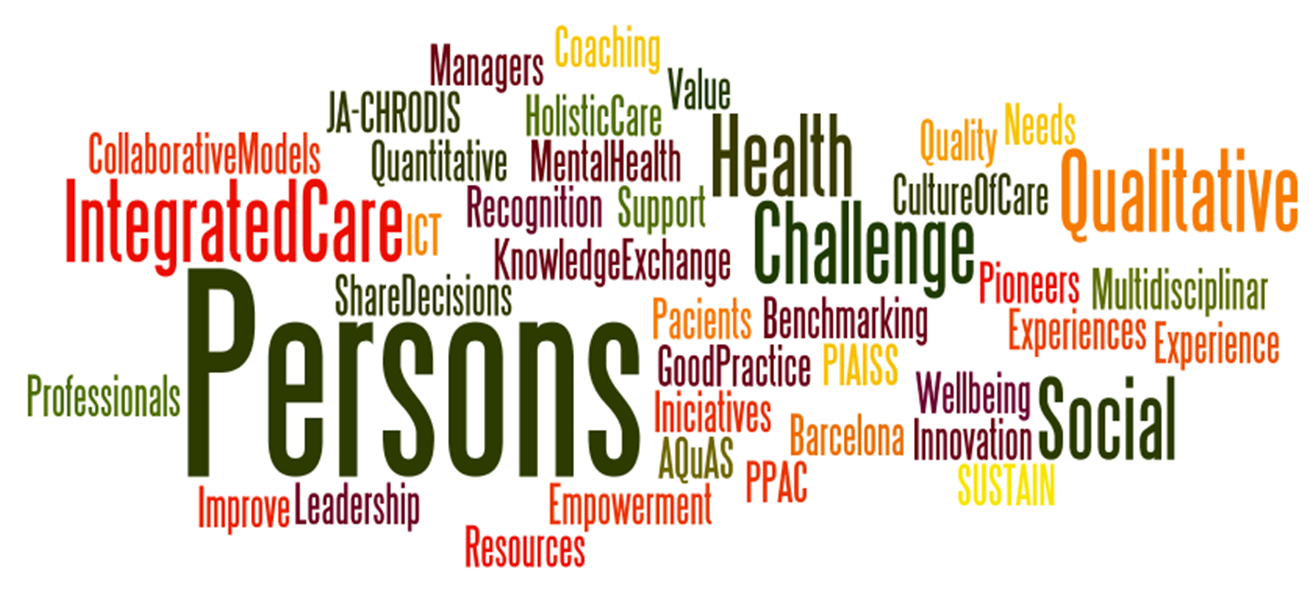
The main topics covered during the ICIC conference referred to people-centred care within the perspective of those treated and in the coordination, integration and, collaboration of services, professionals and systems (health, social, education, justice, corporate, etc.). In this regard, there were a variety of experiences presented from around the world of collaborative approaches that promote a multidisciplinary and integrated style.

ICIC-cloud-persons

The conference speakers emphasized the value of primary care and community health as being core to providing care to the community as well as the leadership of professionals from the areas of nursing, social work, the field of mental health and other disciplines and profiles.

Following this main topic, several presentations focused on different organizational models of collaborative care which report findings that endorse the adoption of strategies from the bottom up, in other words, strategies that would enable the initiatives proposed by health professionals to reach planners and administrators who, in turn, can provide the support and recognition.

It is important to highlight that there is an ever-increasing recognition of the importance of social determinants of health and looking to the community for the role it might play in shaping these determinants.

One highlight of the conference was the talk Changing culture and measuring what matters given by Alonzo L. Plough in which the speaker summarized the report: Building a National Culture of Health: background, action, framework, measures and next steps.

Don Reding from National Voices, gave an inspirational presentation with Putting what matters most to patients and communities at the heart of health and social care design.

Another outstanding presentation was that given by Professor Deirdre Heenan from the University of Ulster: Integrated care in Northern Ireland: meeting the challenge of mental health.

***You can read more about the ICIC 2016 conference by clicking on the following link:

http://lhalliances.org.uk/international-conference-on-integrated-care/

http://blog.hospitalclinic.org/2016/05/catalunya-acull-la-16-conferencia-internacional-sobre-atencio-integrada/

http://gestioclinicavarela.blogspot.com.es/2016/05/a-proposit-de-la-16th-international.html

That’s not all. Next year’s conference will be held in Dublin (land of innovators!) with the following themes:

ICIC #ICIC17 Dublin

Let’s come back to Barcelona for a while. For some time now, the Agency for Health Quality and Assessment of Catalonia (AQuAS as per the Catalan synonym) has been working on an assessment of integrated care, by way of example with the Evaluation of collaborative social and health care models.

It is also noteworthy the recent publication of the specialised report in the Social Work Magazine (Revista de Treball Social), titled: Integrated social and health care: points to reflect upon, which we believe to be a good cross-section of opinions and a good starting point.

Another iniciative in AQuAS is the SUSTAIN project -funded by Horizon2020, an opportunity for professionals to work jointly with their peers in other countries in an effort to define a roadmap and establish synergies in the field of Integrated care in Europe, a project of great interest for Catalonia.

Finally, it is vital not to lose sight of another key issue which is equality in the access to and outcomes from services, and this implies regular analysis of variations  in care which have not been justified.

A further helpful instrument for incorporating the opinions of those who receive care and the professionals involved is that of shared decisions. This involves a line of work which incorporates available evidence in a specific area or department of care, the preferences of patients when faced with the different health intervention options, and the essential information for improving the knowledge of all those involved (professionals, patients and their families and environment).

Post written by Vicky Serra-Sutton, Gabi Barbaglia (@gabibarblagia), Laia Domingo, Marta Millaret (@MartaMillaret) and Mireia Espallargues.

Real Time Delphi relating to chronicity

2 juny
Monguet JM 2015
Josep Maria Monguet

The Real Time Delphi method, which implements the functionality of the Internet to make the Delphi Method more flexible, efficient and transparent, has been used by the Agency for Health Quality and Assessment of Catalonia (AQuAS as per the Catalan synonym) to identify the indicators for evaluating chronicity care and for the management of the areas of improvement in this field.

¿What is the Delphi method? It is a structured communication technique which is based on a panel of experts who answers questionnaires in two or more rounds. After each round, a facilitator provides a summary of what the experts have said in the previous round. Successive rounds are intended to reach a consensus on the subject. The Delphi method is applied to make predictions about the future and, in general, for any issue when a scientific approach is not possible. When the Delphi method is online (Real Time Delphi) the responses of the participants are calculated automatically and many variants of the method can be entered in a controlled way.

Health Consensus

The Health Consensus application that facilitates the participation of professionals through a methodology of online consensus developed by the company Onsanity from research done at the Universitat Politècnica de Catalunya (UPC) in Barcelona was used to identify the most appropriate indicators.

The work was carried out in the years 2013-2014, the first prototype of the system was applied twice, first in Catalonia, and a second version in the context of all the Spanish health system. The Health Consensus application for the selection of indicators allowed for the collecting of contributions from more than 800 health professionals, including clinical profiles of management and planning. An initial list of 215 indicators was progressively reduced through successive rounds of consensus until it was reduced to 18.

Not only did this experience allow the the identification of indicators, but it also showed various aspects that are interesting for research  and innovation:

  1. It is possible to pool the tacit knowledge of a fairly large group of professionals, putting together experiences and different points of view.
  2. The professionals underscore their perception that the contributions that are made, are highly valuable in the construction of the model subjected to consensus.
  3. The online system is accepted by the professionals who expressed a high satisfaction level during the participation process.

The experience was published: Monguet JM, Trejo A, Martí T, Espallargues M, Serra-Sutton V, Escarrabill J. Assessment of chronic health care through and Internet consensus tool. IGI Global; 2015.

Post written by Josep Mª Monguet (@JM_Monguet), UPC Professor.

«Miss» Stevens and the Y chromosome

26 maig

Mercè PiquerasNettie Maria Stevens (1861-1912) belongs to “the other half of science”: the half that is made up of women who have often been forgotten by history. The glowing obituary which appeared in the Science journal refers to her as Miss Stevens, even though she held a Ph.D. and the centre where she worked (Bryn Mawr College) had offered her a research professorship. Stevens was a researcher in several fields of biology, but her most prominent work was performed in the determination of the chromosomal basis of sex.
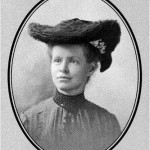
After completing her teaching studies at Westfield Normal School (now Westfield State University) in Massachusetts, Stevens worked as a teacher and librarian. However, one of her professors, a disciple of the great naturalist Louis Agassiz, awakened her interest in biology. In 1896, when Stevens was 35, she began studying at Stanford University (California), a modern institution that admitted women and allowed students to choose their own courses. In addition, enrolment was much cheaper than in the universities of New England, where she lived. She graduated in 1899 and published her first article, based on research from her Ph.D., which described two new species of protozoa and changes in the chromosomes during cell division.

In 1900, Stevens moved to Bryn Mawr College, Pennsylvania, which was renowned for its research into cytology. Thomas H. Morgan, a prominent researcher in genetics, evolution and embryology (Nobel Prize in Physiology or Medicine, 1933) directed her doctoral thesis. While preparing her thesis, Stevens received grants for stays in Germany (University of Würzburg) and Italy (Anton Dohrn Naples Zoological Station). Upon completing her Ph.D., she remained at Bryn Mawr College to lecture and continue her research.

The hypothesis that sex could be determined by one chromosome that was different from all the others – then called the “accessory chromosome” – had already been suggested in 1902 by Clarence E. McClung (1870-1946), but it was Nettie Stevens who proved it with her experiments. The first article on the accessory chromosome, published in 1905, was a careful cytological study with 241 drawings made by Stevens herself of what she observed through the microscope. The article proved clearly that all eggs tested from the mealworm beetle Tenebrio molitor, had 10 chromosomes of equal size, while the spermatozoa could contain a set just like that of the eggs, in other words, 10 chromosomes of the same size – or 9 chromosomes of equal size and one smaller chromosome (see figure 186 and 187). In the first case (all the spermatozoa of equal size) always produce females, while in the other (with one smaller) produced males. In addition, somatic (non-reproductive) cells from males always possessed the smaller chromosome.

Some of Stevens’ illustrations

Stevens - figura 1

At the same time Stevens was performing this work, Edmund B. Wilson (1856-1939), who was working independently, described a similar dimorphism in insect spermatozoa. There was no rivalry between both scientists nor did either scientist claim priority of their discoveries. However, many texts attribute the discovery solely to Wilson, despite the fact that he himself stated in the article in Science outlining his observations: “… one of the chromosomes in the male is much smaller than the corresponding one in the female (which is in agreement with the observations of Stevens on the beetle Tenebrio)”.

Unfortunately, Nettie Maria Stevens’ career as a scientist was short-lived. She died in 1912 at the age of 51 from breast cancer.

Nettie Maria Stevens

Bibliography

Studies in spermatogenesis with special reference to the “accessory chromosome.” Article by Nettie M. Stevens, 1905, which describes the study that confirmed that sex was determined by a chromosome which, was different in males. Available from the Project Gutenberg.

Nettie Maria Stevens (1861-1912): Her life and contributions to cytogenetics.
Marilyn Bailey Ogilvie & Clifford J. Choquette.
Proceedings of the American Philosophical Society, 1981, 125:292-311

Post writen by Mercè Piqueras (@lectoracorrent), biologist, science writer, science editor, and translator.

Low-value clinical practices: the physicians give their opinion!

19 maig
Johanna Caro
Johanna Caro

We continue with the theme of overdiagnosis and overtreatment which we have already dealt with in this post and this other post, but this time from another perspective: that of the health professional.

In 2015, AQuAS in collaboration with the ICS introduced a pilot program to avoid low-value practices in primary care. In order to explore and categorize the insight and opinions of General Practitioners and paediatricians about these practices, a survey was carried out among primary care professionals. The survey, which was submitted to 735 professionals from the Barcelona North Metropolitan Area Primary Care Directorate online and answered anonymously, with a response rate of 34%.

Figure 1. Survey screen captureEssencial - Cuestionario

Below are some of the results from this survey.

What is the current situation of low-value clinical practices?

69% of primary care physicians believe that the low-value practices within the sector are very frequent, 9% believe they are very common and 60% say they are common. In their clinical practices, approximately 80% of physicians are faced with having to take a decision about whether to request a test or prescribing unnecessary treatment at least once a week.

Question: In your opinion, assigning unnecessary tests, procedures and treatment in primary care in our environment is:Essencial - Survey - Frequent

Question: In your practise, how often are you faced with a decision about whether to request a test or prescribe an unnecessary procedure:

Essencial - Survey - Day
What are the underlying causes?

According to doctors, the main causes behind low-value practices are a shortage of time in the examination room (74%), need for more information (doubts or uncertainty on the part of the professional) (63%) and the demand from the patient to prescribe a particular test or treatment (37%).

Question: There are several reasons why physicians request unnecessary tests and treatments. In your clinical practise, which of the following reasons do you believe influence your decision?

Essencial - Survey - Causes

Is this a talking point in the examination room?

Doctors discuss the potential risks of tests or treatment with their patients in the examination room frequently (52%), but do not often discuss the cost involved (21%).

Is there a solution?

Doctors believe that those in the best position to address excessive low-value clinical practice are clinicians themselves (88%), those responsible for elaborating clinical practice guidelines (57%), the Department of Health, in terms of health policy (39%) and representatives from academic/scientific circles (33%).

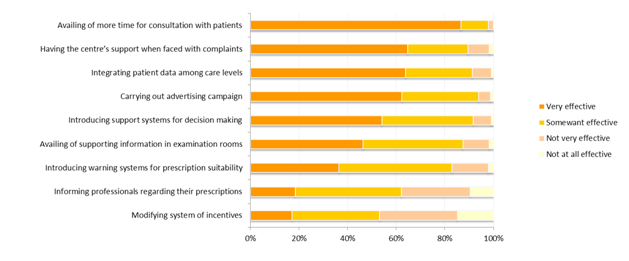
Moreover, physicians consider that the most effective initiatives to reduce these practices are: availing of more time for consultation to discuss alternatives with patients (87%), ensuring the support from the centre in the event of a patient filing a complaining or report for not having had certain tests performed (65%), integrating and sharing patient information between different levels of care (64%), and carrying out advertising campaigns to raise public awareness (62%).

Question: In your opinion, how effective might the following initiatives be in reducing the number of unnecessary tests, procedures and treatments?

Essencial - Survey - Effective

In Catalonia, this is the first time a survey has been carried out to assess physician’s knowledge and opinions regarding low-value practices. It is significant that these practices are common in the field of primary care. In another context, a survey in the United States carried out by the Choosing Wisely initiative showed that doctors also consider these practices to be common and have to face these choices at least once a week. Among the reasons cited for the occurrence of such low-value practices were concerns about malpractice claims, professional security (diagnostic confirmation) and patient requests.

According to the results of our survey, physicians are those best equipped to address the issue, while healthcare organization also plays a crucial role. It might be that the characteristics of the health system itself and health professionals are not aware of the cost involved in these tests, procedures and treatments.

Based on this survey and armed with the experience of the Essencial Project, we believe that a multifaceted strategy is required, which includes organizational aspects from a standpoint of both professionals and patients, to reduce the occurrence of low-value practices.

Post written by Johanna Caro Mendivelso (@jmcaro103).

Digital journalism and health data: data visualisation tools

12 maig

Taller-aulaThis coming 7th June will take place the second edition of the course titled II Workshop on data Visualisation for healthcare technicians and scientific journalism in an effort to jointly work with tools which make health data more visible and user-friendly. You can register for the course, but beforehand, we would like to present a short report of the topics covered in last year’s edition.

The course was divided into two very different parts: firstly, Eva Domínguez chaired a general discussion about digital journalism media and secondly, Paula Guisado focused on procedures, tools and applications within the area of health data.

When we refer to digital journalism, we are referring to some of the emerging traits for instance new narrative styles, such as immersion, audiovisual development, adapting the varying content to the most suitable format and hybridisation.

Beyond these characteristics we might be led to believe that becoming viral is a very common concept associated with everything digital but the questions remain: Does everybody want, and does everybody have the capacity to generate viral content?

Regardless of the objective, well-known successful factors can be analysed and utilised when deemed adequate by adapting them to the desired objective and context. Certain recommendations in this area reference classic ideas such as emotio (being capable of generating an emotion amongst your audience), universality (a “universally” identifiable concept might be successful) and brevity (eliminating superfluous elements for transmitting the key message).

In practise, how can all this be achieved?

We can approach the idea of universality for example by trying to explain short stories which become big. With regard to generating emotion, the basic idea is to awaken empathy in the reader. From this point onwards, total freedom and creativity and a proposal for working: we must question every technique in an aim to surprise the audience and we must do all this without losing sight of the fact that “Content is King“. Not everything has to be interactive, but we do have to think carefully about what we want to explain and how we wish to go about it.

More ideas. Interactive tools which enable us to identify ourselves work extremely well, whether this is a quantitative or qualitative identification.

Another compelling element is to involve the audience in the story. How can we achieve this goal? The following strategies can be used:

•    Transmedia / Multiplatform. Confusion might arise as to whether the end product is a report, a data base, a creative project, a project designed to raise awareness, activism or serialisation. The Spanish serie El Ministerio del Tiempo, for example, has taken a lot out of this.

•    Serialisation. Fragmenting information into “chapters” o “instalments”. This can be addictive when performed well. Example: Serial Podcast has managed to create a community of fans explaining a journalistic investigation by weekly deliveries.

•    Creating an experience. By way of navigation it is possible to establish a connection with the user in such a way that navigation becomes a factor for immersion. Example: ViceNews about Ebola (Wired).

•    Immersion through navigation (or immersion in the area). Interactive tools where the user places themselves inside the story. It is the case of this application of virtual reality that simulates that you are in the Roman Tarraco.

•    Let the user participate and find elements that must be discovered. Play, the operative word here, with the fun element of the game … or with the fear element as in Take this lollipop.

•    Constructing a story within the story. Example: documentary film Mujeres en venta.

•    Immersion narratives in the first person. The aim is to give visibility to large documentaries. Format of the “docu-game”. Example: The refugee project.

•    “Make it personal”. A close personal approach tends to work well. Example: Do not track regarding data privacy.

The second part of the course, which revolved around the applications to health data, got underway with a fascinating reflection: journalism with data is not data journalism (The Guardian 2011).

Massive analysis by computational means is the defining characteristic of data journalism. From this point onwards we can see specific patterns and tools:

•    Datamining. Tools such as scrapping: tabula, import.io, kimono labs

•    Data visualisation tools: adobe edge, hype tumult, cartoDB, datawrapper, infogram, odyssey.js, juxtapose.js

•    Data cleanup and transformation: Excel, Open Refine

•    Other tools: Tableau, Tableau public, Quadrigam (in the beta phase at the time of the course)

•    Final recommendations (unusual ones): Remove to improve, Spurius correlations

We look forward to seeing you for the second edition of the course, which like the first, aims to act as an incentive for innovation and professional development based on the sharing of knowledge and a range of tools between professionals whose objective is to collect the public’s health data, in the best way possible.

You can also see the course information in the web of the Catalan Association on Scientific Comunication, about the 2015 edition and the 2016 edition.

Post written by Marta Millaret (@martamillaret) and Cristina Ribas (@cristinaribas), president of the Catalan Association of Scientific Communication (ACCC).

(Photo credit: dcJohn via Foter.com / CC BY)

Aline Noizet: “Digital tools transform the patient into the CEO of his own health”

5 maig

Health 2.0 Europe 2016From 10 to 12 May, Barcelona becomes the European capital of digital health innovation, thanks to the Health 2.0 Europe congress. The seventh edition of this event for experts from the healthcare sector gathers more than 120 speakers and around 600 professionals from around the world.

The Agency for Health Quality and Assessment of Catalonia (AQuAS) and the Observatory of Innovation in Healthcare Management (OIGS) will be present in the free panel Digital health tools transforming the nurses’ daily mission, where we can see live demonstrations of technological solutions, developed by and for nurses.

The coordinator of the convention and consultant in digital health Aline Noizet (@anoizet) gives more details in this interview and explains how the European healthcare system is being redefined through these digital tools.

AlineNoizet
Aline Noizet, consultant in digital health and organiser of Health 2.0 Europe 2016

What do we understand by digital health of health 2.0?

The group of all new technologies focused on the patient that can be interconnected and that provide data that facilitate decision-making is known as digital health or health 2.0. They are tools developed for start-ups that encompass items from applications for mobile phones and wearable devides to virtual platforms. They always appear in response to a very specific need and contribute to improving the work of medical professionals and the experience of users.

If experts claim these new technological solutions are redefining the healthcare ecosystem, in what does this transformation consist?

The current ecosystem is vaster and encompasses more agents, directly or indirectly involved in the healthcare management, such as the small technological companies, pharmaceutical industry and insurance companies. The main novelty, however, lies in the fact that it puts the patient in the centre of the healthcare system.

In this system, where everything turns around the patient, how can digital tools improve his experience?

The new solutions facilitate communication between patients and healthcare professionals. Currently, there are platforms and virtual spaces where you can find quality information and clear doubts, almost in real-time. Thanks to the new technologies, the patient can be more involved when it comes to making decisions and can use telematics to explain how he feels and how his treatment progresses. The digital tools grant him more autonomy and convert him into the CEO of his own health.

And the healthcare professionals, how do they benefit from the use of this technology?

There are many benefits to the use of digital tools. They help the medical team to make faster and more accurate diagnoses, and offer a wider view on the users’ health state. Furthermore, they allow cost reduction through patient monitoring at home and they could improve the quality of care with the use of augmented reality glasses. Moreover, new technologies facilitate communication between health professionals from anywhere in the world, who can share information or get a second opinion immediately.

In the panel, with the participation of the Observatory of Innovation and moderated by the Portuguese nurse Tiago Vieira, member of the Advisory Council of the European Forum for Primary Care (EFPC), demos of the most innovating digital health tools will be presented. Whom is this session addressed to?

The session will be most inspiring for nurses, since they are in direct contact with both doctors and patients, and they know from firsthand the needs of both groups. The new technologies are transforming their role and can offer them many advantages with respect to patient care. Entrepreneurs will show them the operation of their solutions and professionals from different European countries will explain the benefits of implementing digitalization in their Center. The session may also be of interest to doctors, patients, entrepreneurs, investors, pharmaceutical laboratories and insurance companies. Start-ups can find inspiration and ideas for new solutions for medical personnel, while investors will have the opportunity to learn about the most innovative projects in digital health. If you’re a healthcare professional, you will discover how these tools can improve your performance in your daily tasks, and if you’re a patient or normal citizen, you can participate by giving your opinion as a user or future user of these new applications.

In order to participate in this free session about health digital tools, you only need to register. We would be delighted if you could join us!

Interview prepared by Neus Solé Peñalver (@neussolep).

The significant excuse of statistics

28 abr.
CristianTebé
Cristian Tebé

HG Wells never said that “statistical thinking will one day be as necessary for efficient citizenship as the ability to read and write”. If he had said it, he would have been 100% right. Politicians, administrators, scientists, everyone has an indicator, an average or a p-value at the ready to back up their arguments. The source of this information is not always clear and occasionally, the interpretation, or the results themselves, are incorrect.

One notable example of this is the controversy which arose in the UK in February and which saw a group of doctors presenting the British Secretary of State for Health, Jeremy Hunt, with a three-metre-high edition of the book “How to read a paper”. Hunt, in defense of his “seven-day NHS” plan, stated that in the UK, stroke patients admitted to hospital on weekends were more likely to die. In a letter to the Sunday Times, 59 top neurologists accused Hunt of misrepresenting statistical results and using outdated data to justify his policies.

How to read a paper - Twitter

I do not know if we should be giving books away, or what size they should be, but it might be interesting to take advantage of this space to reflect on the use and abuse of statistics and the almost religious fascination with significant p-values. One particular jingle, that of statistical significance, reminds me of that whole “scientifically proven” claim sported by many products advertised on television when I as a child. A statistically significant result is the seal of approval we all seek relentlessly, but we would do well to remember the tale of Pahom and ask ourselves, how many p-values does a researcher need? Statistically significant or statistics seen as a significant excuse.

To be continued.

Post written by Cristian Tebé Cordomí (@Cristiantb), Statistical Advisory Service at Bellvitge Biomedical Research Institute and Associate Professor at Universitat Rovira i Virgili.