An article in JAMA has recently been published presenting the first smart watch approved by the FDA to predict epileptic seizures. It is called Embrace, a connected device which detects seizures linked to movement and electric fluctuations in the skin of a person and sends an alert so they can receive medical attention.
Last February, the Mobile World Congress was held in Barcelona. Among the different activities to be highlighted which are organised around this congress there is one called 4 Years From Now (#4YFN18), the part of the Mobile which connects companies, investors and institutions with each other to encourage collaboration in developing different ideas, business models and technological solutions.
The Digital Health & Wellness Summit 2018, organised by 4YFN Connecting Startups, the Mobile World Capital Barcelona and the Mobile World Congress with the collaboration of ECHAlliance, the European Connected Health Alliance, is the meeting point of technological and health issues. This year, among others, Neil Gomes, Maria Salido and Elena Torrente participated.
Neil Gomes from the Thomas Jefferson University of the USA pointed out that one of the challenges in mHealth is facilitating feedback between patients and health professionals.
Maria Salido, co-founder and CEO of the health app, SocialDiabetes, raised key issues for success with health apps: regulation + industry + users. And in particular, she highlighted the importance of the final users. An article published in The Economist was much commented on here with a provocative title:
Elena Torrente, Digital Health Coordinator at DKV, commented on Digital Doctor, a health app that incorporates a detector of symptoms and a tool to request a doctor’s appointment. She pointed out that there were more women than men in the user profile of the app.
In general, there was consensus on the fact that prior to developing an app, an analysis to identify needs must be done. That is, the first step should be to detect the needs of a user and then, based on the mapping of these needs, the moment would come to develop technological solutions.
The content of all these presentations is available and you can also read a compilation of the main ideas that were highlighted here and here.
Despite it not being the main subject of their presentations, in the follow up debate the need and convenience of assessment was brought up. At present, there are already 320,000 health apps on the market. But,… How are they assessed? Who does this? With what criteria? Can we already talk about the safe prescription of health apps?
We close the circle once again with the conceptual framework of mHealth Assessment published in JMIR mHealth and uHealth with which the Agency for Health Quality and Assessment of Catalonia (AQuAS) provides the culture of assessment to the everyday reality in which we find ourselves (in 2016 it was published in the first quartile, in the categories “Health Care Sciences & Services” and “Medical Informatics”, respectively, in the Journal Citation Reports). There are an increasing number of health apps and the debate concerning their assessment remains open.
Incorporating the culture of assessment in innovative initiatives was the starting point and the challenge from which the Observatory of Innovation in Healthcare Management in Catalonia (OIGS) initiated the first edition of the Innovate and Assess training workshop, a programme to train “Agents of Change” with the focus set on assessment and innovation.
What were the contents of this initiative?
What is innovation, what is assessment and what is the OIGS’s process of assessment?
The management of change to provide tools to encourage assessment
A practical session in assessment
The conceptualisation of a proposal to implement the assessment of an innovative initiative
From the Agency for Health Quality and Assessment of Catalonia (AQuAS) and via the Community for Innovation of the OIGS, a process of assessment has been driven allowing the quality of methodology in innovative practices to be measured within the framework of the public healthcare system of Catalonia, offering professionals in health and organisations the opportunity to opt for the certification of their experiences as an added stamp of quality.
This workshop has enabled experts in innovation to get in touch with experts in assessment and share their knowledge with each other in order to improve the quality of assessment of innovation.
This training activity has been accredited with 2,0 credits by the Catalan Council of Ongoing Training for Healthcare Professions.
The main aim has been to create and facilitate the necessary tools to be able to carry out assessment and innovation in healthcare centres in an adequate manner.
On the one hand, Cari Almazán, Cristina Colls, Núria Radó, Dolores Ruiz-Muñoz and Maite Solans, experts at the AQuAS in different disciplines participated, working with professionals and provided their knowledge and recommendations from the point of view of assessment.
On the other hand, Dani Bernard, Ignasi Clos, Xavi Olba and Clàudia Pardo of Induct, offered their expertise in the field of innovation using dynamics and techniques such as user journey map and cubbing.
Cubbing
With the intention of boosting the number of certified innovative initiatives (as we mentioned, using criteria to measure the quality of methodology), as well as spreading the word about the Observatory as a support tool in the assessment of the Catalan healthcare system as a whole, the AQuAS provides assistance, or mentoring, to all those professionals that provide self-evaluations of their own experiences but who do not attain the required quality of methodology to obtain certification.
At present, the OIGS has become a point of reference within the Catalan healthcare system, and day after day it places value on the effort made by organisations that share and divulge their innovative experiences and who promote the assessment of innovation.
For years, I have been under the impression of not having a clear idea of how information related to the complex world of medicine and health should be disseminated in the daily news media, both of the science that it is based on and of the difficulties and dilemmas in applying it in practice.
I have repeatedly refused offers, with only rare exceptions, to write texts on these subjects in newspapers or books of a non-professional nature: I had serious doubts of how to transmit this knowledge to the public at large. Looking back critically on these reservations I have had, I think they have been related to the paternalism inherent in the medical training received by the professionals of my generation: the fear that the public will make an incorrect interpretation and come to abhorrent conclusions of the facts disseminated, an audience with little knowledge on the theoretical foundations and subtleties of these facts, which are only accessible with proper professional training. Indeed, experience has shown me that these reservations were indeed justified.
However, at the same time, I have witnessed the growth of citizens’ autonomy, now widely acknowledged, and their right to take “informed decisions”. This position, which has come to define the 21st Century as “the patients’ century”, acknowledges their right to know relevant professional data so as to be able to take accurate decisions autonomously; it has an undeniable foundation but if we are to avoid that this leads to the proliferation of distorted facts it will require a rigorous preparation and an absence of spurious interests on the part of those divulging information. Ideally, these informants should contribute to “health literacy” in a way that is balanced, objective and unemotional.
The tension between these two conceptions of health information goes in parallel with that which exists between two extreme views of the doctor-patient relationship: the classical paternalistic one (“the doctor knows better than anyone what is best for a patient and their decision must be accepted”) and that of the “informed consumer” with autonomous decisions. The other extreme of this corresponds to an “imminent revolution” in which it would be the very well-informed patient, (basically as a result of the spread of refined computer technology) that would take the most important decisions concerning themselves.
Personally, like many others, I prefer a more balanced approach: that corresponding to the “interpretative” and “deliberative” models of the doctor-patient relationship, in which the experience and knowledge of the former interact with the latter respecting their autonomy.
I think that this dilemma runs parallel to the medical information found in daily news media: on the one hand, there is the social demand to inform citizens of current advances so they know their options or opportunities as “informed consumers”; on the other, there is the temptation to fuel the emotions (triumphalism or fear) of the reader who is untrained by offering them information which is largely uncritical, lacks rigour or is insufficient, with the risk of a biased, distorted or exaggerated interpretation. The more or less unreal notions that some informants may have on medical and health problems (common, alas, among many professionals) can be transmitted like this directly to the citizen and to their emotions and desires.
In the case of news related to medical advances and innovations, I would like citizens to know what expectations these novelties raise, maybe now within their reach, and the magnitude or relevance of the problem that can be lessened or resolved, and that this be done by using a rigorous and prudent terminology so that citizens can also create their own opinion on the solidity or temporariness of an innovation, and of the related uncertainties and limitations: not only of the benefits that they can provide them with but also of the undesired, uncomfortable or harmful side effects they might produce, and whether they are in anyway frequent or probable. In other words, I would not like the main aim of this information to be that of creating hope or fear in the reader, or give them the idea in a triumphal tone that in the wonderful world of science, the war against disease has claimed a new victory, especially at the hands of local researchers.
Even though some well-documented news described in sufficient detail was found that could provide balanced information to the reader in this analysis, in many other cases the information was one-sided or not very thorough and was devoid of facts related to questionable aspects of the innovation and their risks. It resulted in a biased message which often tended to induce optimism in the reader rather than educate them in the knowledge of the pros and cons of the medical innovations.
At a time when there is a call for a user’s well-informed autonomy, I would be delighted if healthcare culture and the attitude of the news media did not amount to a paternalistic doctor-patient relationship. In this regard, there is no doubt that much still needs to be done.
Post written by Gaietà Permanyer Miralda. Emeritus physician. Unit of Epidemiology, Cardiology Service. Hospital Vall d’Hebron, Barcelona.
The aim of the Essencial Project is to improve the quality of healthcare by providing professionals with evidence that is useful for them to make informed decisions in their day to day work.
What is special about this project is that this is done by identifying routine low-value practices in the health system and by using a strategy aimed at avoiding these practices.
Cari Almazán, the person in charge of this project, responds to questions in an interview.
What is the Essencial Project?
It is a project of the Department of Health of Catalonia led by the Agency for Health Quality and Assessment of Catalonia (AQuAS – its Catalan acronym), in which researchers from the AQuAS, health professionals, scientific societies and the Advisory Board of Patients participate. Each and every one, in their role, work with a clear objective: improving the quality of healthcare using a very specific strategy to identify low-value practices and thereby provide information to professionals to help them avoid doing all the things they do which do not offer any health benefits to the patient.
What is a low-value practice?
In usual medical practice, there are known routines that do not offer any benefit to the patient and it is difficult to understand why these occur but it is even more difficult to try and avoid them. In all likelihood there is a resistance to change and we need to spend a lot of time explaining what this project is about.
How does the Essencial Project work?
It works at different levels and we try to be systematic and transparent. This involves a line of work which includes: identifying low-value practices, finding knowledge (the evidence), informing about and implementing the project.
If a routine does not offer any benefit to the patient, why is it followed?
This is precisely what we ask professionals in primary care, among many other things. The comments “because we have always done it like this” or “because it is a request of the patient” are frequent. There is a certain tendency to want to feel we are being useful, a human one I would say. Both the professional and the patient feel better but on occasion, there is evidence which indicates that this “feeling better” is not accompanied by any benefit for the patient. This is what needs to be explained very carefully.
What role does the Essencial Project have in the day to day activity of a health professional and that of a potential patient?
There are many projects aligned with the initiative to improve the quality of healthcare. In this context, the Essencial Project is a tool of the health system to help health professionals make decisions. The Essencial Project thus aims to be useful to the health system and professionals. In addition, for a potential patient, knowing about this project can also help contribute to their understanding of why a health professional does not recommend a certain diagnostic test or treatment.
I am unsure as to whether the project is aimed at professionals or at citizens.
The Essencial Project is aimed at the entire population. On the one hand, it is aimed at professionals to provide them with this tool, but also at citizens. Why not? Whether citizens want this information is another thing altogether.
Do citizens show an interest in having all this information available to them?
We don’t know, we should ask them. We know of experiences where it is not clear that the information which is given is the information that citizens want but at the AQuAS we believe that sharing knowledge and methodology is an exercise in responsibility.
Who chooses the recommendations?
Cari: They are chosen in collaboration with the different scientific societies. Right now, there is a participative process on the go to prioritise low-value clinical practices in the framework of the Third Conference of Care in Sexual and Reproductive Health. In the Essencial Conference 2017 subjects for recommendation were prioritised based on the participation of the professionals that attended the conference. The idea is that it is the professionals themselves who identify when and where practices of this sort occur.
Who creates the contents of the Essencial Project?
The contents that accompany each recommendation are the result of the participation of many expert professionals in different disciplines. These contents are then validated. In terms of the videos, professionals at the AQuAS along with health professionals produce these which explain the key idea of each recommendation in the first person in an informative manner.
What would you highlight of the Essencial Project?
That we offer every recommendation, the chance to collaborate with health professionals, a bibliography and files for patients in a systematic way. This last idea of files for patients is a subject which we will delve into more deeply shortly from the agency. Perhaps, what I would say is most important here is that all this forms a part of a commitment to bring the culture of assessment and the culture of Choosing Wisely at all levels closer to everyone: the citizenry, professionals and the health system.
We continue the interview with Olga Martínez expert at the Catalan Arthroplasty Register (RACat) and Xaxier Mora, specialist in traumatology and orthopaedic surgery with a Master in biomaterials.
The aim of today’s post is to know a little more about prostheses and the biomaterials used in arthroplasties.
With this post and the previous one, we have wanted to present the opinions of these two professionals.
Are all prostheses the same?
Xavier: No, because each patient is different. Therefore, the orthopaedic surgeon will recommend one type of prosthesis or another, depending on the extent to which the bone is affected, the patients’ age, associated diseases and the daily activity of a the patient.
Olga: At present, there are different types of prosthesis on the market in terms of design, materials used in their manufacture and the way they are anchored to the bone. There are prostheses that range from replacing only a part of the joint to more complex joint replacements in situations where bone damage is extensive.
As a user of the health system, to which hospital should I go to receive the best prosthesis?
Xavier: One cannot talk about better or worse prostheses because all prostheses used for implants have to follow a standardised procedure according to specific international standards, such as those of the American FDA and the European CE seal of approval, for materials that will be implanted in humans. In the same way, hospitals in Catalonia are certified to be able to carry out this type of surgery.
Olga: The prostheses which are commercialised in Catalonia meet the international standards of quality and public hospitals base their choices of prostheses on the scientific evidence available. This is allows them to select those with the best results according to arthroplasty registries, using recommendations from different institutions such as the NICE (National Institute of Healthcare and Clinical Excellence) and the ODEP (Orthopaedic Data Evaluation Panel).
Olga: In addition, the new European legislation passed in 2016, regarding implants used in health, aims to increase the supervision of the industry by implementing stricter norms and regulations including the obligation of clinical assessment, while at the same time fostering innovation in this field.
Who does the research into the best materials available and what factors are taken into account?
Olga: These days, the research of new materials and manufacturing techniques as well as the design and improvement of new prosthetic implants is a multidisciplinary process. The contributions of orthopaedic surgeons are especially important together with studies in joint biomechanics and surgical technique. In Catalonia there are research centres in biomaterials such as Leitat and the Technical University of Catalonia (UPC).
Olga: From the AQuAS we have written up and published short reports on biomaterials (polyethylene, cements and ceramics and metals) aimed at professionals that work in services of orthopaedic surgery and traumatology, with the aim of updating their knowledge.
Reports available in Catalan:
Xavier: Nowadays, when manufacturing new materials, the interaction between the surface of a biomaterial and the bone is taken into account more and more often, so that bone cells can consider an implant as part of its own structure and thereby avoid the prosthesis from moving about because this is one of the biggest problems in getting an implant to function well.
How have materials evolved since the first prostheses to the present day?
Olga: The discovery of new materials and/or the progress made both in terms of manufacturing techniques and the knowledge gained in the biomechanics of the human body have influenced the design of prostheses over time.
Xavier: The first experiences in joint implants date back to the 20s of last century. One of the first attempts at replacing the surface of the head of the hip was done by manufacturing a metal socket or dome (Smith-Petersen).
Xavier: In the last 20 years, many important advances have been made regarding the use of new biomaterials, much safer and of greater resistance to wear, thus extending the life of an implant in a biological environment such as the human body. Together with metallic biomaterials, these days ceramic biomaterials are used with good results in relation to their integration in bone tissue.
Xavier: On the other hand, research in 3D technology has paved the way for a more precise surgery, and in the future it will be possible to manufacture more personalised implants.
Xavier and Olga: We both agree that we are getting closer and closer to having a prosthesis that is for life.
Today, we interview Olga Martínez expert at the Catalan Arthroplasty Register (RACat) and Xavier Mora, specialist in traumatology and orthopaedic surgery with a Master in biomaterials. They are two professionals involved in arthroplasties, a subject of great impact among a large sector of the population. We focus on aspects of recommendation and prognosis related to the pathology and on the value of registries for quality care.
In what cases is an arthroplasty intervention recommended?
Xavier: The most important surgical indication to carry out a knee or hip arthroplasty is arthrosis. Advanced arthrosis has a considerable social impact with a loss of life quality for the person affected due to pain, a loss of personal autonomy and an increase in dependency. In addition, the loss or reduction in mobility can worsen existing diseases such as diabetes or heart diseases. It is in these situations when an arthroplasty is recommended which will reduce pain and improve joint mobility.
Olga: In our field, according to the data from the Conjunt Mínim de Dades dels Hospitals d’Aguts (Minimum Set of Data from Acute Care Hospitals) and the Catalan Arthroplasty Register (RACat), the main reason for an intervention in knee and also hip arthroplasties is arthrosis. In the case of the hip, femoral neck fractures are the second cause for arthroplasty recommendation.
It seems that there are more and more people who undergo arthroplastic surgery each day to implant a prosthesis. Is this a fact?
Xavier: Yes, around 9,6% of the Spanish population suffer from this disease to some degree, a percentage that increases up to 33,7% among people aged between 70 and 80. With the ageing of the population, it is evident that there will be an increase in the number of people who could be candidates for arthroplastic surgery in the future. In the context of Catalonia, if we do a simulation with 2026 as the time horizon, based on data from the Idescat, the population aged between 15 and 39 will decrease while the population of 40 to 64 will increase (227,000 people and 330,000 people respectively).
Olga: At present, knee arthrosis has a prevalence of 10,2% and that of the hip is around 5%, more frequent among women, even though the data vary between one study and another.
The AQuAS, the Agency for Quality and Health Assessment of Catalonia, has been managing the Catalan knee and hip arthroplasty registry (prosthesis) for many years. What purpose does a registry like this have?
Xavier: The aim of all orthopaedic surgery is the survival and good functioning of a prosthesis and in consequence, the improvement in the quality of life of patients. Although a prosthetic implant undergoes strict manufacturing procedures before being used and follows a rigorous surgical technique during surgery, the functional results in a patient need to be assessed via follow up sessions from the time they receive an implant. To this effect, arthroplasty registries can help detect models of prosthesis with a malfunction, both in the short and long term, and identify the patients who have received these implants.
Olga: This is what happened a few years ago with the ASR model, a hip prosthesis that some publications and registries, such as the National Joint Registry, pointed out due to an unusual increase in the rate of revisions. This motivated an international health alert and a protocol was adopted to monitor patients.
Olga: One of the first prosthetic failures that prompted the creation of registries was that of the 3M Capital Hip, a hip prosthesis introduced in 1991 in the United Kingdom as an inexpensive prosthesis. After six years and more than 4,600 prosthesis implants, the risk of undergoing a revision was considered to be 4 times higher than that expected with the added difficulty of the traceability of the implants as no registry existed at a national level.
Olga: The Registry for Arthroplasties of Catalonia created in 2005, an epidemiological tool of surveillance in the Catalan Health System, stemmed from the collaboration between the AQuAS, CatSalut and the Catalan Society of Orthopaedic Surgery and Traumatology.
Are there other similar experiences of registries of this type in other countries?
Olga: Sweden (1975) and Finland (1980) were the first countries to push for a national registry of arthroplasties of a demographic nature.
Olga: At present, many countries have implemented this tool, be it in Europe, America, Oceania, etc… with different territorial coverage, but with a common aim: to be a valid instrument in assessing arthroplasty procedures and implants used.
As a patient or as a family member of a person that suffers from joint arthrosis, what is the message that you would like to get across based on your experience?
Xavier: The first consultation that a patient has is always because of the pain they are experiencing in the hip or knee joint when walking, going up or down stairs, getting up from a sitting position in a chair, having difficulty to put on shoes, etc. The aim of treatment should be to eliminate pain by using medication, doing physical exercise and physiotherapy that help improve 95% of patients. An arthroplasty intervention should only be considered as a last therapeutic resort. In this context, shared decisions between professionals and patients are very important too when talking about arthroplasties. We should all ask ourselves whether the best option to reduce this pain is to implant a prosthesis.
Does a patient go back to normal routine life after an arthroplasty intervention?
Xavier: After a surgical intervention and once the period of functional recovery has come to an end, a normal lifestyle can begin, due to the disappearance of pain and an improvement in joint mobility. In certain cases, constraints will be limited to intense activity that could overburden the joint.
Assumpció González Mestre, Head of Programa Pacient Expert Catalunya® (Expert Patient Programme Catalonia®) and Cuidador Expert Catalunya® (Expert Caregiver Catalonia®) answers questions in an interview with Cari Almazán related to the figure of “expert caregiver”.
The programmes of Pacient Expert Catalunya® and Cuidador Expert Catalunya®, respectively, have the same aim of equipping people with the tools and resources to help them in their daily lives.
This type of learning programme among equals manages to improve the quality of life of people which find themselves in the environment of a disease in the context of chronicity in Catalonia, be it as patients, as caregivers or both things together.
Cari: Who is the Programa Cuidador Expert Catalunya® aimed at?
Assumpció: Our field of action is clearly orientated at the caregivers of people having chronic diseases. By “expert caregiver” we understand them to be a person who takes care of another person with a chronic disease having complex attention needs and who is able to take on that responsibility, give care and acquire the skills that help them manage the physical, emotional and social impact of giving care thereby improving their life quality and that of the person they are taking care of.
Cari: What does turning a caregiver into an expert caregiver involve?
Assumpció: When a person finds themselves in the situation of having to take on the task of taking care of another person with a disease, the life of that person is totally conditioned by the situations, planned or not, foreseen or unforeseen, which the disease might involve. Helping a person in that critical moment often generates a change in the life of the person giving care and it becomes an emotional overload in their daily lives as a result of having to address the needs of the person they are taking care of. In this sense, having more capacity to take on responsibility and being able to take care of themselves and of the other person, on the one hand, and of acquiring skills that help them manage the physical, emotional and social impact which we know this situation involves, on the other, are some of the key aspects that we would consider as essential when identifying a possible expert caregiver.
Cari: Is being able to improve the quality of life of caregivers the aim of the programme?
Assumpció: It is one of the main aims although there are others. Giving support to caregivers in the management and care of the person they are taking care of; improving the life of caregivers; being able to involve and satisfy patients and caregivers; improving the efficacy of caregivers in their own care and in the care of the person they are taking care of; learning to identify the degree of overload on caregivers; and having an influence on aspects of the health of a caregiver related to giving care, are the six specific aims of the Programa Cuidador Expert Catalunya®.
Cari: Should all caregivers become expert caregivers?
Assumpció: The end goal is not that everyone becomes an expert but rather that they become aware of what it means to be a caregiver and to learn to identify when they find themselves overloaded and that, therefore, they need to ask for help from another person of the family or from a professional to be able to deal with the situation which they find themselves in. If caregivers become aware of this situation and ask for support at the appropriate time, they will be able to give care and take care of themselves better. Therefore, the expert caregiver is a volunteer with the capacity to take care of themselves without psychophysical disabilities and who can empathise, be interested in helping, be highly motivated and have strong communicative skills. These elements are assessed in an individual interview and after completing specific questionnaires.
Cari: Perhaps it is not always easy to put oneself in someone else’s shoes…
Assumpció: One of the fundamental aspects of this initiative and one which makes it different is that the expert caregiver experiences caregiving first hand which places them in a privileged position when talking to other people who are going through similar experiences.
Cari: What role does the health professional play in relation to the expert caregiver?
Assumpció: The health professional (doctor, nurse or social worker) takes on the role of observer, who can step in to redirect the session, but only when necessary. The Cuidador Expert Catalunya® programme helps both people to closely collaborate with each other having the same aim: to improve the quality of life of the patient, the caregiver and their environment.
Cari: What are the basics of the programme in terms of content and who developed them?
Assumpció: The specific educational materials and methodological guide are the result of the participation of a lot of expert health professionals from different disciplines. These contents have later been validated with the participation of caregivers. The idea is to get to people and so an appropriate language for everyone is needed.
Cari: How has theCuidador Expert Catalunya® programme been implemented?
Assumpció: The process of implementation in a care team involves different stages which include the presentation of the programme to professionals, the selection of caregivers, the training of professionals and caregivers, the setting up of the group of caregivers and the start of sessions.
Cari: In summary therefore… what it is about, in the end, is to organise sessions?
Assumpció: Not exactly. It is about sharing knowledge and experiences among caregivers through 9 structured sessions where they approach and deal with a different subject each day looking for the tools that aid them to take care of themselves.
Cari: How is theCuidador Expert Catalunya® programme assessed?
Assumpció: It is assessed quantitatively and qualitatively by measuring the knowledge gained, the degree of self-care, quality of life, self-reported problems, the degree of overload, the degree of satisfaction and the use of services. The results between the start and end of the intervention are compared and then again 6 and 12 months after it has ended.
Cari: What is the key element of the project?
Assumpció: Without a shadow of a doubt, learning among equals and the relational network. Throughout the experience acquired during the implementation of the programme, we have had the opportunity to confirm that the fact that the programme takes place in one neighbourhood or community is very positive. The relational network between the people that participate in the different groups makes it possible for the expert caregiver to become an agent in the community. The programme becomes a community activity of learning among equals.
The European market of health products has been widely affected by the sudden emergence of a new legislative framework with the new regulations (2017/745 and 2017/746). The subtle difference between directive and regulation is paramount, they say, but we’ll leave that for another occasion. This new framework in the field of health products is characterised among other things by:
A stricter control of high risk health products (for example, certain implantable products)
The strengthening of rules of clinical evidence by including a coordinated procedure at a European level for the authorisation of multicentre clinical research.
The reinforcement of requirements and the coordination between European countries regarding controls and after sales aspects.
In this context of important changes, the assessment community is also clearly active. Thus, on 19 June this year, there was a panel on health products at the international meeting of Health Technology Assessment HTAi, where a new and innovative Italian programme for health products was presented.
The programme, explaining the work carried out over several years in terms of definition and its pilot phase, includes three work packages: appraisal, methodology and monitoring. In another panel closely related to the previous one, in the field of methodology, the presentation of the categories to decide on what to invest in and what to disinvest win clearly stood out.
When talking about monitoring and collecting information, an example that stood out was the debate on the need for early assessments given that the life cycle of a health product tends to be short.
The significant increase in new products available and all the work objects previously mentioned are some of the things that position the importance of specific assessment in health products.
The importance of the assessment of health products is, therefore, undeniable. In the joint production work package of EUnetHTA JA3, in which AQuAS is participating, as many or more assessments of “other technologies” (health products, health interventions,…) have been planned as of the known assessments of drugs. In a sense, the numbers of one or other necessity are matched. The importance of the assessment of “other technologies” was in fact reflected in the HTAi annual meeting in a presentation by Wim Goettsch, director of EUnetHA.
The identification and prioritisation of products to be assessed (the Horizon Scanning system), as well as the balance between innovation and divestment, are also extensively discussed subjects and under continuous debate. Thus, in the REDETS network (in which the AQuAS is also actively participating) and with the leadership of Avalia-T, a public access tool was identified that helps in approaching this subject: the PriTec.
Assessment, therefore, can help directly in the use, management and sustainability of different health systems. In conclusion, new opportunities are provided for improving decision making in the area of health products and some of them will come through demonstrating efficiency by means of the adequate use and definition of health technology assessments (HTA).
It is very common to see groups of people looking at their mobile devices in any place at any time: on holiday, at work, at home, in the underground, on the bus, in a congress, ….. wherever. It is also common to take advantage of our holidays to say that we will make the most of these days to disconnect from our routines. Does this include disconnecting our mobile phones, tablets, laptops, the TV or email?
At AQuAS, as an agency involved in health assessment, we do not know this. What we do know is that there is more and more talk of connected health, a term which includes mHealth, eHealth and all related concepts, which have been a part of everyday life for some time now.
At a level of the Catalan system of health, we have in this post by Òscar Solans an example of the development of technological tools which involve new ways of interaction between patients and the health system. In this way, La Meva Salut and eConsult are useful tools when placing the patient, the person that is, at the centre of all the interactions there are with the health professionals coming from different fields.
At a European level, Jean Patrick Mathieu and Rossana Alessandrello wrote about how complex the subjects of interoperability and the implementation of mobile technological solutions are, in this other post. This was the framework for the European project DECIPHER whose goal was to facilitate the access to health information from different countries and health systems.
Let’s change the perspective. At an individual level, who does not have an app downloaded on their mobile phone? Which of these apps have to do with something related to health, such as weight control, for example, or as support when doing physical exercise, to keep track of menstrual cycles, fertility calendars or aspects of mental and emotional health? And no need to limit ourselves to talking about mobile devices: who has not heard of calculators for aspects of health such as calculators of life expectancy?
Downloading an app is very easy and can even be free. In this post by Elisa Puigdomènech, she highlighted the fact that in mid-2016 The Economist explained there were some 165,000 apps related to health. This figure must no doubt have increased.
What does the success of an app depend on? What guarantees of quality and safety do they offer?
Regarding the first question, the user experience was the subject on which Elisa Puigdomènech put the emphasis, based on the experience obtained in the PEGASO project. Along the same lines, Santi Gómez spoke about the fact that the development of a health application must, in all phases of its development, include the participation of those who will ultimately be the end users.
And in terms of the second question, any health intervention should be safe, be based on evidence, on the best quality knowledge available and should be assessable. This is the premise with which we at the AQuAS work and this is the role that an assessment agency can play when thinking about connected health. Thus, this post by Toni Dedéu places the emphasis on the fact that technologists, assessors, professionals and citizens have the opportunity to work together and combine their expertise but not forgetting the speed of innovation.
In conclusion, the assessment of connected health is a current topic. This article was recently published, and is a good example of a proposal for a conceptual framework. We end this post with an editorial about innovation and evidence which invites one to reflect on assessment and innovation.
Unfortunately, inequalities in health are still an issue today including in our country. The crisis of recent years has once again put the spotlight on this subject.
This is why we propose an itinerary taking us through the different texts which we have published on the subject in this blog and, in particular, we invite you to read the original texts which are mentioned here in more depth, a large proportion of which have been elaborated at the AQuAS.
In September of last year, Luis Rajmil reflected on social inequalities in child health and the economic crisis in this post placing the concepts of equality, equity and reality on the agenda for discussion.
“At present, there is enough accumulated information that shows that life’s course and the conditions of prenatal life as well as life during the first few years are very influential factors in the health and social participation of an adult to come.”
At a later date, the Observatory of the effects of the crisis on the health of the population published its third report but prior to that, a post was published with a collection of individual thoughts and reflections on this subject by Xavier Trabado, Angelina González and Andreu Segura focussing on, respectively, the effects of the crisis on the mental health of people, the coordination of different mechanisms in primary and specialised care, the urgency for community health actions and the need to engage in intersectoral actions.
“It is urgent to put community health processes into action; processes in which the community is the protagonist, which constitute the shift from treating an illness to a bio-psycho-social approach which gives an impulse to intersectoral work in a network with local agents, with who there is the shared aim of improving the community’s well-being. Based on the needs detected and prioritised in a participatory way and with the local assets identified, these processes activate interventions based on evidence which are assessed”
In this other post, Cristina Colls presented an interesting case of the application of scientific evidence to political action which occurred with the revision of the socio-economic dimension of the formula for allocating resources to primary care.
“Social inequality leads to an unbalanced distribution of the population in a territory, concentrating the most serious social problems in certain municipalities or neighbourhoods having higher needs for social and health services than other territories. In this context, more needs to be done where needs are greater if the aim is to guarantee equality in the allocation of resources”
Finally, the most recent post was written by Anna García-Altés and Guillem López-Casanovas. It is a text that provides food for thought based on the latest report published from the Observatory of the Health System of Catalonia on the effects of the crisis on the health of the population.
“Understanding the mechanisms by which social inequalities have an impact on the health of the population, so as to know how best to counter or neutralise them, in any place and at any time, is an issue that must still be addressed by our social policies”
We hope that you this very short itinerary through these texts, initiatives and analyses that aim to be useful in tackling inequalities has been of interest.

 Last February, the Mobile World Congress was held in Barcelona. Among the different activities to be highlighted which are organised around this congress there is one called 4 Years From Now (#4YFN18), the part of the Mobile which connects companies, investors and institutions with each other to encourage collaboration in developing different ideas, business models and technological solutions.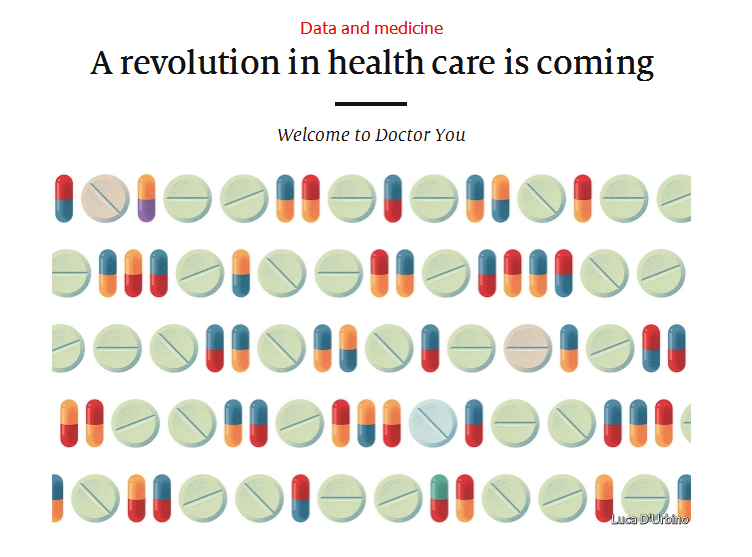


 It is very common to see groups of people looking at their mobile devices in any place at any time: on holiday, at work, at home, in the underground, on the bus, in a congress, ….. wherever. It is also common to take advantage of our holidays to say that we will make the most of these days to disconnect from our routines. Does this include